

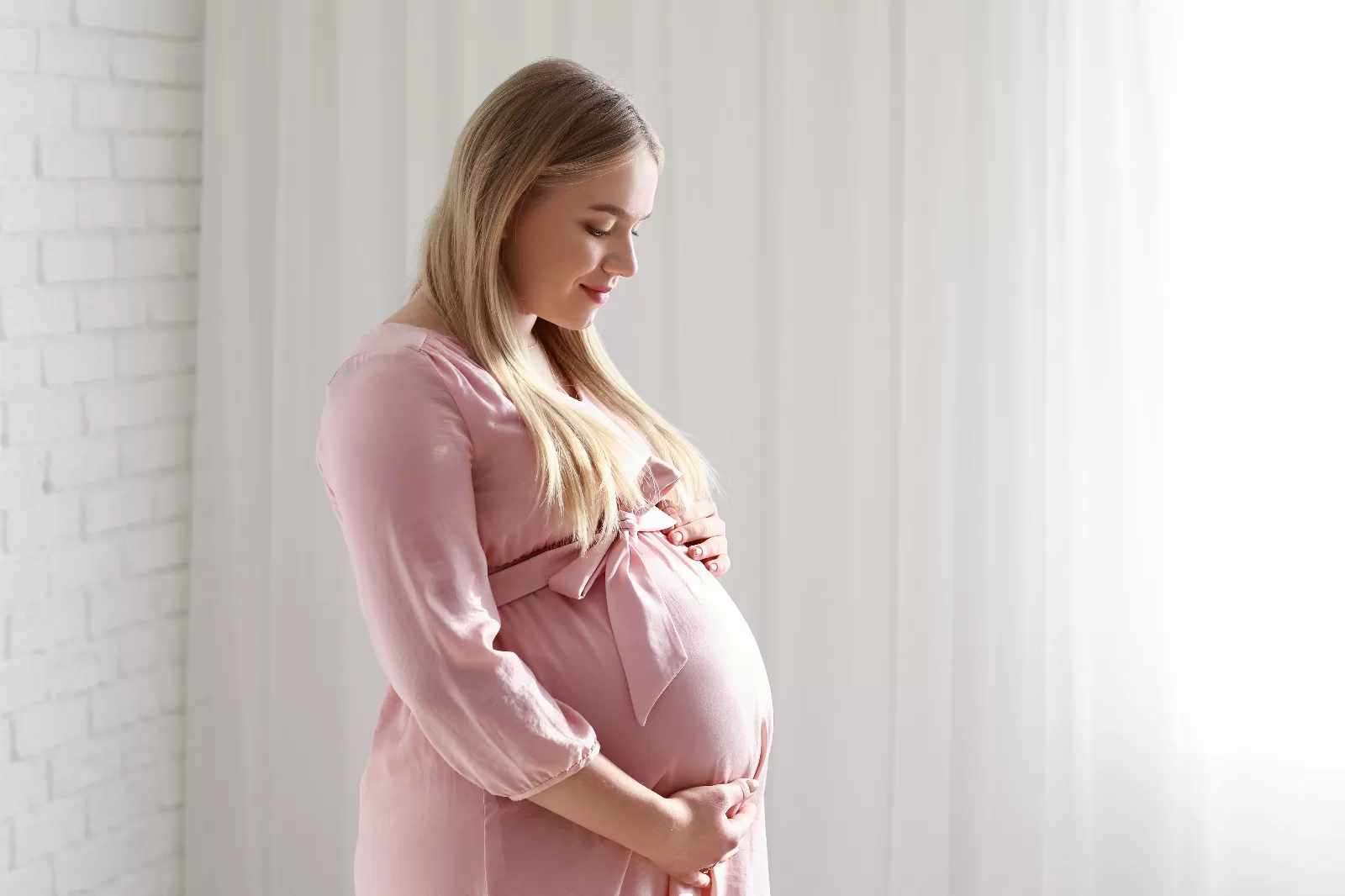
Pregnancy back pain usually stems from pregnancy hormones loosening ligaments, a shifting center of gravity, and posture changes. Relief comes from neutral spine posture, sleeping on your side with supportive pillows, gentle antenatal stretching, and warm compresses. Always consult your gynaecologist before using pain gels or massages.
- Hormonal shifts like rising relaxin and a changing center of gravity cause back strain in over 70% of pregnant women.
- Sleeping on your left side with a bolster or pillow between your knees significantly reduces lower lumbar pressure.
- Avoid unverified pain balms or aggressive traditional massages; stick to gentle prenatal stretches and safe warm compresses.
- Contact your gynaecologist immediately if back pain is sudden, cramping, or accompanied by fever or vaginal spotting.
Why Back Pain Happens During Pregnancy
Experiencing lower back pain or pelvic girdle discomfort is one of the most common physical complaints during pregnancy, affecting more than 70 percent of expecting mothers. In Indian households, women often balance working from home, daily chores, and family expectations, making back discomfort particularly challenging to navigate. Understanding why this pain occurs is the first step toward managing it safely and effectively without resorting to unverified home remedies or strong medications.
Hormonal Changes and Relaxin
During pregnancy, your body produces a hormone called relaxin, which allows ligaments in the pelvic area to soften and joints to loosen in preparation for childbirth. While essential for delivery, relaxin also causes the ligaments supporting your spine to relax, leading to joint instability and strain across your lower back and hips.
Shifting Center of Gravity and Posture Changes
As your baby grows and your uterus expands, your center of gravity shifts forward. To keep your balance, you may naturally lean backward, placing extra stress on your lower lumbar spine. This altered posture, combined with weakening abdominal muscles that stretch to accommodate the baby, transfers more workload to your back muscles.
Weight Gain and Daily Strain
Healthy pregnancy weight gain adds stress to your weight-bearing joints and lower back muscles. Daily activities, such as standing for long periods while cooking, sitting on hard chairs, bending over to pick up household items, or lifting heavy buckets of water, can aggravate this physical load significantly.
Everyday Posture Adjustments for Indian Homes and Workplaces
Small, deliberate adjustments to how you sit, stand, and move throughout the day can dramatically relieve stress on your spinal column. Making your daily environment ergonomics-friendly prevents chronic muscle fatigue.
Safe Sitting Habits
Avoid slumping on soft sofas or sitting cross-legged on low stools or the floor for extended periods. When sitting at a desk or watching television, select a firm chair with good lower back support. Place a small cushion or rolled-up towel behind the curve of your lower back. Keep your feet flat on the floor or on a low footstool, ensuring your knees are level with or slightly higher than your hips.
Standing and Moving Correctly
If your daily routine involves long periods of standing, such as in the kitchen preparing meals, place one foot on a low footstool or box to relieve strain on your lower back, alternating feet every 15 to 20 minutes. Maintain a neutral posture by keeping your chest lifted, shoulders back and relaxed, and avoiding locking your knees.
Lifting and Household Chores
When picking up objects from the floor, bend your knees and squat down rather than bending forward at the waist. Keep the item close to your body and use the strength of your leg muscles to stand back up. Avoid twisting your torso while lifting. If you are handling daily household cleaning, switch to long-handled mops and tools to minimize repetitive stooping.
Safe Sleeping Positions and Nighttime Support
Restful sleep is vital during pregnancy, yet back pain often intensifies at night. Adapting your sleeping position with proper pillow support protects your spine and improves blood circulation.
The Power of Side Sleeping
Doctors recommend sleeping on your side, particularly the left side, during the second and third trimesters. Left-side sleeping optimizes blood flow to the placenta and kidneys while keeping the weight of the uterus off the large vein (inferior vena cava) that carries blood back to your heart.
Strategic Pillow Placement
Use pillows or traditional bolsters to maintain proper spinal alignment. Place a firm pillow between your bent knees and ankles to keep your hips, pelvis, and spine aligned. Tuck another pillow under your expanding abdomen for extra weight support, and place a long cushion behind your back to prevent you from rolling onto your spine during sleep.
Getting In and Out of Bed
To protect your core muscles and back when getting out of bed, roll completely onto your side first. Bend your knees, pull your legs over the side of the mattress, and use your arms to push your upper body up into a sitting position. Pause for a moment before standing up slowly.
Safe Relief Remedies and Gentle Exercises
Managing back pain safely requires avoiding unverified OTC pain ointments, oral painkillers, or intense massages that could pose risks to you and your baby. Stick to evidence-based comfort measures approved by maternal health experts.
Warm Compresses for Muscle Tension
Applying gentle warmth to tight back muscles provides quick relief. Use a hot water bottle wrapped in a thick towel or a warm compress on your lower back for 15 to 20 minutes at a time. Never apply heat directly to your abdomen, and ensure the temperature is warm rather than scalding to keep your core body temperature safe.
Prenatal Exercise and Stretching
Gentle physical activity keeps your spine flexible and strengthens supporting muscles. Guided antenatal activities, such as pelvic tilts, gentle cat-cow stretches, and prenatal yoga, help relieve tension in the lumbar region. Walking at a moderate pace on flat surfaces in supportive footwear daily strengthens core stability. Always obtain clear approval from your gynaecologist before starting any exercise routine.
Caution with Massages and Footwear
While a light massage from a certified prenatal therapist can relax tight muscles, avoid aggressive traditional home massages or deep pressure on the lower back and abdomen. Ensure your masseuse is trained in maternal care. Additionally, replace thin-soled flat chappals, unsupportive juttis, or heels with well-cushioned, ergonomic footwear that offers proper arch support to absorb walking impact.
When to Contact Your Gynaecologist Immediately
While lower back pain is common, certain symptoms require prompt evaluation by your doctor to rule out complications like preterm labor, urinary tract infections, or nerve compression.
Red Flag Symptoms
Seek medical care right away if your back pain is severe, constant, or sudden. Watch out for pain accompanied by rhythmic cramping or contractions, which could signal preterm labor, or back pain paired with burning during urination, fever, or chills, which suggests a kidney or urinary infection.
Neurological and Traumatic Concerns
If you experience numbness, tingling, or weakness radiating down your legs, buttock, or feet, you may be experiencing sciatic nerve irritation that requires a doctor's assessment. Always report any back discomfort that occurs after a slip, fall, or sudden impact to your healthcare provider immediately.
Frequently asked questions
Is it safe to get a traditional home massage (maalish) for back pain during pregnancy?
Light stroking on the upper back and shoulders by a trained prenatal therapist is safe, but avoid deep pressure on the lower back, pelvic area, or abdomen. Always consult your gynaecologist first and avoid strong chemical massage oils or unverified ayurvedic pastes.
Can lower back pain in the third trimester be a sign of early labor?
Yes, lower back pain that comes in regular, rhythmic waves or feels like deep cramping can be a sign of uterine contractions or back labor. If the pain is periodic or accompanied by vaginal discharge or spotting, contact your doctor immediately.
Which footwear is best to prevent pregnancy back pain in India?
Opt for well-cushioned supportive sneakers or supportive orthotic flats. Avoid thin-soled plastic slippers, flat juttis, or high heels, as they offer no arch support and alter your center of gravity, worsening lower back strain.
Are warm water bags safe to use on the back during pregnancy?
Yes, placing a warm water bag wrapped in a towel on your lower back for 15-20 minutes is safe. Keep the heat moderate and avoid placing heating pads or warm compresses directly over your stomach or baby bump.
Sources
- ACOG — reference — ACOG
- NIH — reference — NIH
- Mayo Clinic — reference — Mayo Clinic
This article is for general information and education only and is not medical advice. Always consult a qualified healthcare professional about your situation.