

Struggling with enlarged pores in Indian humidity? Compare the best niacinamide serums for oil control, texture, and acne-prone skin.
By 2 PM in Mumbai or Chennai, your face doesn't just glow. It slides. The humidity turns your carefully applied skincare into a slick surface, your T-zone starts pooling oil, and your pores look like they've doubled in size. You reach for blotting paper, but twenty minutes later, the story repeats.
Enlarged pores aren't structural craters you can permanently erase. They are pathways for sebum. When the mercury climbs and the air thickens with moisture, your sebaceous glands go into overdrive. Excess sebum mixes with dead skin cells, stretches the pore walls, and oxidizes on the surface. Pores look larger because they are packed and dilated.
Enter niacinamide. Also known as Vitamin B3, this molecule is one of the few topical ingredients that actually alters sebaceous gland behavior. It doesn't just sit on top of your skin. It regulates oil production, reinforces the lipid barrier, and improves skin elasticity so pore walls snap back into place.
Choosing the right formulation for Indian weather requires looking past clever marketing. Heavy silicone bases will pill under sweat. Low percentages might not budge stubborn sebum. High percentages—think 10 percent and above—can trigger irritation if your barrier is already compromised by pollution and harsh cleansers. Let's look at how to match the right niacinamide serum to your skin type and climate.
How Does Niacinamide Actually Shrink Pores in Humid Weather?
The mechanism is rooted in cellular communication and lipid synthesis. Niacinamide is a precursor to NAD+ and NADP+, crucial coenzymes involved in cellular energy metabolism and DNA repair. For oily, sweat-prone skin, its primary superpower is sebum regulation.
When applied consistently, niacinamide downregulates excessive sebum excretion. Less oil means less debris stretching out the pore opening. Simultaneously, it stimulates collagen production in the dermal matrix. Think of your pores as tents supported by tent poles (collagen and elastin). As we age, or when UV rays and pollution degrade our skin matrix, those poles weaken, and the tent sags. Niacinamide helps rebuild that structural support.
In high humidity, your skin barrier faces a unique paradox. You sweat profusely, losing water, yet your skin feels greasy because sebum gets trapped by ambient moisture. Niacinamide boosts the production of ceramides and free fatty acids in the stratum corneum. This strengthens your moisture barrier without adding heavy occlusive weight, preventing transepidermal water loss while keeping pore-clogging grease in check.
Furthermore, niacinamide exhibits potent anti-inflammatory properties. In tropical climates, pollution particles adhere easily to oily skin, triggering micro-inflammations that swell the tissue around the pore, making the opening appear even wider. By calming this inflammatory response, niacinamide reduces the surrounding tissue swelling, creating an immediate optical smoothing effect while working on the underlying sebum production over weeks of consistent application.
Which Niacinamide Serum Strength Is Right for Your Climate and Skin?
managing the vast array of Vitamin B3 concentrations on the market can be daunting, especially when formulating a routine tailored to tropical and high-humidity environments. The ideal percentage depends heavily on your skin’s baseline sensitivity, how much pollution and UV stress you encounter daily, and whether you are dealing with concurrent issues like post-inflammatory hyperpigmentation or chronic dehydration.
Let's break down the three primary concentration tiers and how they behave under humid conditions:
- 2% to 5% Concentration: This is the gold standard for sensitive skin, beginners, or those living in coastal areas where heavy humidity already compromises the skin barrier. At this level, niacinamide effectively boosts ceramide synthesis and provides mild oil regulation without risking stinging or redness. It layers exceptionally well under lightweight gel moisturizers and sunscreens.
- 5% to 8% Concentration: A versatile sweet spot for combination to moderately oily skin. This range offers more robust sebum control and can significantly help fade dark spots left behind by acne flare-ups common in sweaty weather. It delivers noticeable improvements in pore texture without overwhelming the skin's tolerance.
- 10% Concentration (and above): Formulated primarily for very thick, resilient, oily skin that has built up tolerance to active ingredients. While highly effective at rapidly clearing out congested pores, using high-percentage formulas in humid weather requires caution. High concentrations can draw too much moisture from a compromised barrier, leading to irritation or rebound oiliness if not balanced with proper hydration.
When choosing a vehicle for your niacinamide, look beyond the active ingredient percentage and inspect the solvent system. In sticky weather, water-based serums, lightweight essences, or fluid gels containing humectants like glycerin or sodium hyaluronate perform far better than heavy, lipid-rich emulsions or heavy silicone primers that can trap sweat and form a suffocating layer on the epidermis.
Step-by-Step Guide: Layering Niacinamide in a Humid-Weather Routine
Applying actives correctly in high humidity is just as important as choosing the right product. If you layer incorrectly, your skincare will pill, slide off your face, or fail to penetrate. Follow this step-by-step framework to maximize pore-refining results without feeling weighed down.
- Gentle Cleansing: Start with a low-pH, sulfate-free gel or water-based cleanser. In humid weather, you want to remove overnight sebum and environmental pollutants without stripping your natural acid mantle. Pat your skin dry gently with a clean microfiber towel, leaving it slightly damp to enhance product absorption.
- Hydrating Toner or Essence (Optional): If your skin feels dehydrated underneath the surface despite the humidity, apply a lightweight, alcohol-free hydrating toner. This preps the skin channels, allowing your niacinamide serum to sink in smoothly rather than sitting on top of a dry patch.
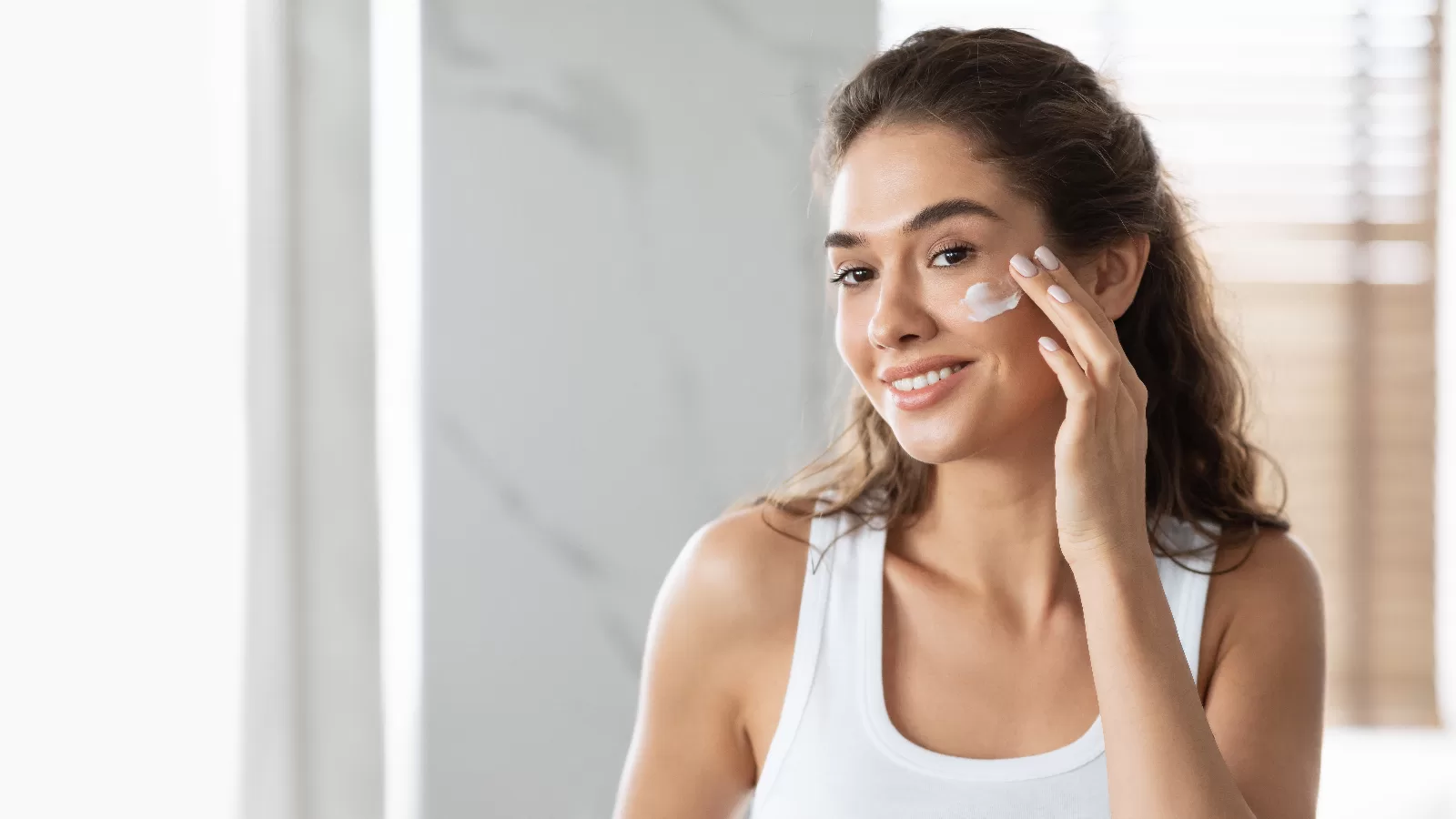
- Applying the Niacinamide Serum: Dispense 3 to 4 drops of your chosen niacinamide serum into your palms. Press—do not rub—the product gently into your face, paying special attention to your T-zone, nose, and cheeks where pores are most visible. Allow 60 seconds for the serum to fully absorb and dry down to a non-tacky finish.
- Locking in Moisture with a Gel-Cream: Even oily skin needs a moisturizer. Choose an oil-free, non-comedogenic gel or water-cream containing ingredients like aloe vera, green tea extract, or ceramides. This seals in the niacinamide and prevents moisture evaporation caused by office air conditioning or outdoor heat.
- Sun Protection: Finish your morning routine with a broad-spectrum, fluid or matte-finish sunscreen. UV degradation breaks down collagen and elastin, causing pores to sag and widen over time. Daily sun protection is non-negotiable for maintaining the structural improvements achieved by your niacinamide treatment.
Real-Scenario Comparisons: Niacinamide vs. Other Pore-Refining Ingredients
To truly understand how niacinamide fits into your skincare arsenal, it helps to see how it compares directly against other popular pore-clearing actives when deployed in hot, sticky environments. Different ingredients solve pore issues via different pathways. Choosing the wrong one for your specific skin state can lead to irritation or worsened congestion.
| Ingredient | Primary Mechanism | Behavior in Humidity | Best For |
|---|---|---|---|
| Niacinamide (Vitamin B3) | Regulates sebum production, strengthens barrier, boosts collagen. | Highly stable; layers well under sweat; does not increase photosensitivity. | Oily, reactive skin needing daily oil control and texture refinement. |
| Salicylic Acid (BHA) | Oil-soluble exfoliant that penetrates inside the pore lining to dissolve clogs. | Effective at clearing debris, but overuse can compromise the barrier in extreme heat. | Acne-prone skin with stubborn blackheads and active breakouts. |
| Retinol / Retinoids | Accelerates cell turnover and stimulates deep dermal collagen synthesis. | Can cause purging and peeling; makes skin sensitive to intense tropical UV rays. | Nighttime anti-aging and long-term structural pore firming. |
| Hyaluronic Acid | Humectant that draws water into the skin layers to plump tissue. | Can feel sticky in high humidity if ambient moisture levels fluctuate wildly. | Dehydrated skin types needing surface plumpness. |
Consider a real-world scenario: An IT professional commuting daily through heavy traffic in a humid metropolitan area. Their skin is constantly exposed to vehicular exhaust, sweat, and air conditioning cycles. If they rely solely on harsh physical scrubs or high-strength chemical exfoliants, their moisture barrier breaks down, leading to reactive sebum overproduction. By swapping out harsh physical scrubs for a gentle 5% niacinamide serum paired with a lightweight gel moisturizer, they stabilize their sebaceous activity without triggering sensitivity, keeping pores clear and refined throughout the workday.
Frequently Asked Questions
Can I use niacinamide every day in hot weather?
Yes, niacinamide is exceptionally gentle and well-tolerated, making it safe for daily use—both morning and night—even during peak summer months. Its anti-inflammatory properties actually help soothe skin stressed by heat and pollution.
Will niacinamide clog my pores when I sweat?
Niacinamide itself is non-comedogenic and does not clog pores. However, you must check the other ingredients in your specific serum formulation. Ensure the product is water-based or fluid-gel based and free from heavy oils or dense silicones that can trap sweat.
Can I combine niacinamide with Vitamin C or Salicylic Acid?
Modern formulation science has debunked the old myth that niacinamide and Vitamin C cannot be used together. They layer safely in a routine. When pairing with Salicylic Acid, listen to your skin; if you experience stinging or dryness from the exfoliant, alternate their usage or apply niacinamide to soothe the barrier after exfoliating.
How long does it take to see visible results on pore size?
Because skin cell turnover cycles take roughly 28 to 30 days, most people notice a significant reduction in surface oiliness within the first week, while structural improvements in pore tightness and skin elasticity become visibly apparent after 4 to 8 weeks of consistent daily application.