

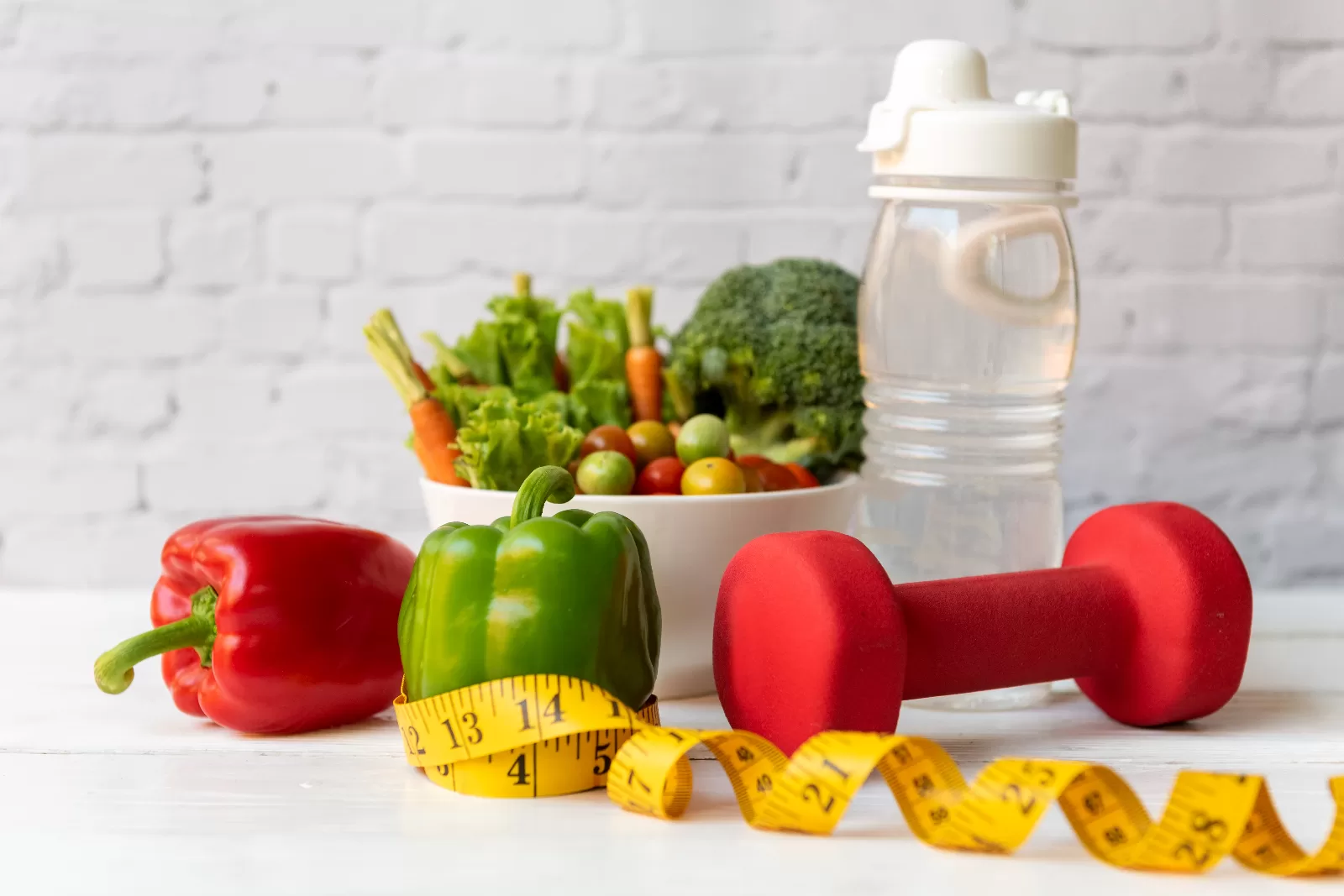
Managing PCOS effectively through meal planning focuses on stabilizing blood sugar and reducing systemic inflammation. Prioritize low-glycemic Indian foods like whole millets, sprouted pulses, eggs, paneer, and fiber-rich local vegetables. Eating balanced, timely meals controls insulin resistance and supports healthy hormonal regulation without forcing restrictive dieting.
- Prioritize low-glycemic Indian complex carbs like jowar, bajra, and ragi over white rice and maida.
- Pair every meal's carbohydrates with adequate protein and healthy fats to manage insulin spikes.
- Incorporate anti-inflammatory staples such as turmeric, cinnamon, methi seeds, and fresh curry leaves.
- Maintain consistent meal timings and avoid extreme calorie deprivation, which can spike stress hormones.
Understanding the PCOS-Diet Connection in the Indian Context
Polycystic Ovary Syndrome (PCOS) affects millions of Indian women, presenting challenges ranging from irregular menstrual cycles and stubborn weight gain to facial hair, acne, and mood fluctuations. At the root of most PCOS cases lies high circulating insulin levels and chronic, low-grade systemic inflammation. When your body cells become resistant to insulin, your pancreas produces even more of it. Excess insulin prompts the ovaries to produce higher amounts of androgens, such as testosterone, disrupting your reproductive balance.
Traditional urban Indian dietary patterns can unintentionally exacerbate these metabolic issues. Diets rich in refined carbohydrates—such as white rice, refined wheat flour (maida), sweetened milk teas, deep-fried snacks, and sugary packaged items—cause rapid spikes in blood glucose. Meal planning for PCOS is not about starvation or abandoning traditional ghar ka khana. Instead, it involves intelligently restructuring your plate to support hormone balance, metabolic health, and sustained energy throughout the day.
Core Principles of a PCOS-Friendly Indian Meal Plan
To create a sustainable meal routine, focus on balance and nutrient density rather than severe caloric restriction. A functional PCOS daily plate emphasizes stabilizing blood sugar through simple, structured dietary rules.
1. Prioritize Low Glycemic Index (GI) Carbohydrates
Carbohydrates are essential energy sources, but high-GI carbohydrates digest quickly, causing sharp blood sugar surges. Replace refined grains with complex, fiber-rich alternatives that release glucose slowly into the bloodstream. Excellent traditional options include:
- Millets: Jowar, bajra, ragi, foxtail millet, and kuttu (buckwheat).
- Whole Grains: Brown rice, red rice, oats, and whole wheat atta mixed with chickpea flour (besan).
- Pulses: Whole moong, rajma, chana, and lobia.
2. Anchor Every Meal with Quality Protein
Protein stimulates satiety hormones, repairs tissue, and significantly slows down the digestion of carbohydrates. Ensuring a dedicated protein source in every single meal helps control sugar cravings later in the day. Ideal protein options include:
- Vegetarian: Paneer, tofu, thick curd or hung curd, sprouted lentils, besan, and sattu.
- Non-Vegetarian: Whole eggs, lean chicken breast, and locally sourced fish like rohu, katla, or pomfret.
3. Include Healthy Fats for Hormone Synthesis
Steroid hormones, including estrogen and progesterone, require healthy fats for synthesis. Avoid zero-fat diets. Instead, use cold-pressed oils like mustard, sesame, or groundnut oil in moderation, along with A2 ghee. Integrate seeds such as flaxseeds, chia seeds, pumpkin seeds, and sunflower seeds, which deliver essential omega-3 fatty acids and zinc.
4. Harness Anti-Inflammatory Indian Herbs and Spices
Indian kitchens are naturally stocked with potent anti-inflammatory agents. Spices like turmeric (haldi) combined with black pepper, cinnamon (dalchini), fenugreek (methi) seeds, and carom (ajwain) seeds improve insulin sensitivity and support digestive health.
A Practical Daily Meal Framework for Indian Kitchens
Here is a adaptable, practical routine that seamlessly fits into an Indian household without requiring expensive, exotic ingredients.
Early Morning Ritual (7:00 AM - 7:30 AM)
Start your day with a blood-sugar stabilizing tonic that stimulates digestion and metabolic activity:
- Warm water infused with soaked methi seeds (fenugreek) or overnight-soaked jeera water.
- 5–6 soaked and peeled almonds along with 2 whole walnuts to provide healthy fats right after waking up.
Nutrient-Dense Breakfast (8:30 AM - 9:00 AM)
Avoid sweet cereals or plain white flour toast. Focus on protein and fiber to set a stable glucose baseline for the morning:
- Option A: Two small vegetable-stuffed besan or moong dal cheelas with mint-coriander chutney.
- Option B: Two ragi or jowar dosas served with coconut chutney and a side of vegetable sambar.
- Option C: A 2-egg omelet packed with spinach, tomatoes, and onions, paired with one slice of toasted whole-grain or sourdough bread.
- Option D: Salted vegetable oats cooked with carrots, green peas, and a dollop of fresh homemade curd.
Balanced Lunch (1:00 PM - 1:30 PM)
Construct your lunch plate using the half-plate method: half vegetable salad and sabzi, one-quarter protein, and one-quarter complex carbohydrates.
- Carbohydrate: 1–2 jowar or missi rotis, or 1 small cup of brown/red rice.
- Protein: 1 bowl of thick dal (yellow moong, chana, or rajma), 100g paneer bhurji, or light chicken curry.
- Vegetables & Sides: 1 large bowl of seasonal cooked sabzi (like bhindi, lauki, palak, or cauliflower) plus a fresh cucumber-tomato salad and 1 small bowl of plain curd.
Mid-Evening Snack (4:30 PM - 5:00 PM)
This is the hour when sugar cravings often strike. Avoid biscuit packets, rusks, and sweet masala chai. Instead, choose stabilizing snacks:
- A small cup of unsweetened ginger or cinnamon tea paired with a handful of dry-roasted makhana (fox nuts) or roasted chana.
- A glass of fresh, spiced buttermilk (chaas) enriched with roasted cumin powder and curry leaves.
- A small bowl of boiled sprouted moong chaat sprinkled with lemon juice and chaat masala.
Light, Protein-Rich Dinner (7:30 PM - 8:15 PM)
Dinner should be your lightest meal to allow proper metabolic repair and optimal sleep quality:
- Option A: Grilled or pan-seared paneer or tofu tikka served with roasted bell peppers, onions, and green chutney.
- Option B: A hot bowl of lentil and vegetable soup topped with pumpkin seeds.
- Option C: Stir-fried chicken breast or fish fillet served alongside steamed broccoli, beans, and carrots.
- Option D: A light bowl of millet khichdi made with equal parts moong dal and foxtail millet, tempered with minimal ghee.
Smart Food Swaps for Popular Indian Meals
Making small, consistent adjustments to classic home dishes yields significant hormonal benefits over time:
- Instead of White Rice: Switch to whole millets, quinoa, or mix cauliflower rice with small portions of brown rice.
- Instead of Maida Rotis/Parathas: Use a multi-grain flour base containing wheat, besan, oat flour, and flaxseed powder.
- Instead of Sugary Milk Tea: Drink herbal infusions like spearmint tea (proven to reduce excess androgen levels) or cinnamon-infused green tea.
- Instead of Deep-Fried Pakoras: Air-fry or bake vegetable cutlets made with mashed sprouts, paneer, and oats.
Lifestyle Factors that Amplify Meal Planning Success
Dietary changes produce optimal results when paired with supportive lifestyle habits:
Prioritize Quality Sleep
Chronic sleep deprivation increases cortisol (the stress hormone), which directly increases insulin resistance and triggers uncontrollable sugar cravings the next day. Strive for 7 to 8 hours of restful sleep every night.
Integrate Post-Meal Movement
A simple 10-to-15-minute gentle walk immediately after lunch and dinner helps skeletal muscle absorb glucose from the bloodstream, significantly blunting post-meal insulin spikes.
Manage Daily Stress
High stress levels keep your body in a fight-or-flight state, releasing cortisol and elevate blood glucose. Dedicate 10 minutes daily to deep breathing (pranayama), yoga, or walking outdoors without digital distractions.
Frequently asked questions
What's the most important thing about meal planning?
Start with the basics and build consistent habits that fit your life.
How long until I see results with meal planning?
It varies — small consistent steps add up over weeks and months.
When should I get professional help?
If your situation is complex or concerning, speak to a qualified professional.
Sources
- ACOG — reference — ACOG
- NIH — reference — NIH
- Mayo Clinic — reference — Mayo Clinic
This article is for general information and education only and is not medical advice. Always consult a qualified healthcare professional about your situation.