

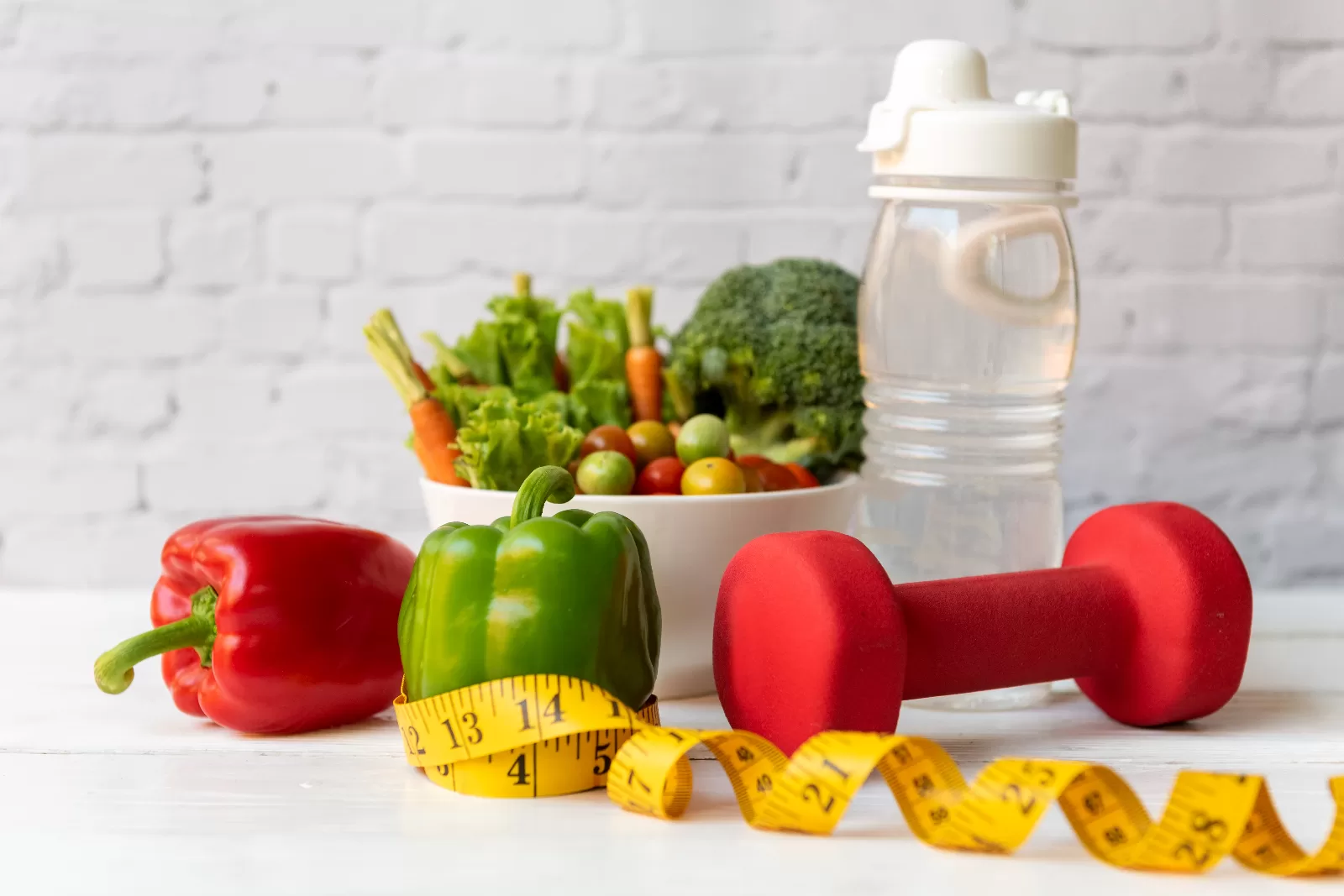
PCOS makes natural conception harder due to irregular ovulation, but pregnancy is fully achievable. By managing insulin resistance through an Indian-friendly anti-inflammatory diet, targeted physical activity, stress reduction, and medical guidance like ovulation induction (e.g., Letrozole), most women with PCOS can successfully conceive and deliver healthy babies.
- PCOS causes anovulation or irregular ovulation, making natural tracking harder, but it does not mean permanent infertility.
- Managing insulin resistance with high-fiber, low-GI Indian foods (like millets and pulses) significantly boosts egg quality and cycle regularity.
- Medical treatments like Letrozole, Metformin, and simple follicular monitoring are highly effective first-line solutions in India.
- Early prenatal care is crucial as PCOS increases the risk of gestational diabetes and pregnancy-induced hypertension.
Understanding the Link Between Polycystic Ovary Syndrome and Fertility
Polycystic Ovary Syndrome (PCOS) is one of the most common hormonal conditions affecting reproductive-aged women in India, with estimates suggesting that nearly 1 in 5 Indian women live with it. If you have recently been diagnosed with PCOS while trying to conceive, or if you are planning a pregnancy in the near future, it is entirely normal to feel anxious. The internet is flooded with alarmist claims implying that PCOS equals permanent infertility. However, clinical reality paints a much more hopeful picture: PCOS is a state of subfertility, not sterility. With appropriate lifestyle modifications, targeted medical guidance, and patience, the vast majority of women with PCOS achieve healthy pregnancies.
To understand how PCOS impacts conception, it helps to look at what happens inside your ovaries during a regular menstrual cycle. In a typical cycle, your pituitary gland releases follicle-stimulating hormone (FSH) and luteinizing hormone (LH), encouraging a few egg-containing follicles to grow. One dominant follicle matures and releases an egg—a process known as ovulation. In women with PCOS, hyperinsulinemia (excess levels of circulating insulin) causes the ovaries to produce excess androgens (male sex hormones like testosterone). These elevated androgens interrupt follicular development, causing multiple immature follicles to remain suspended in growth. Without a mature egg being released, fertilization cannot take place, leading to irregular or missing periods (anovulation).
Furthermore, in the Indian context, metabolic dysfunction often presents as 'thin PCOS' or classical abdominal obesity. Both variants share underlying insulin resistance, which compromises egg quality and the receptive environment of the uterine lining (endometrium). Recognizing that your body is not broken, but simply dealing with a metabolic and hormonal mismatch, is the vital first step toward preparing for a successful pregnancy.
Essential Pre-Conception Steps: Preparing Your Body for Conception
Preparing for pregnancy with PCOS requires a proactive, 3-to-6-month preparation phase. Rushing into fertility medications without addressing metabolic health often yields frustrating results. A structured pre-conception blueprint ensures your eggs mature in an optimal biochemical environment.
1. Diagnostic Workup and Baseline Testing
Before actively trying to conceive, consult an obstetrician-gynaecologist or a reproductive endocrinologist for a comprehensive evaluation. Key investigations in India typically include:
- Oral Glucose Tolerance Test (OGTT): Essential for catching hidden insulin resistance early, as standard fasting glucose often misses subtle metabolic impairment in South Asian women.
- Anti-Müllerian Hormone (AMH): Women with PCOS often show elevated AMH levels due to a high antral follicle count. Knowing your baseline helps your doctor calibrate medication doses.
- Thyroid Profile (TSH) and Prolactin: Subclinical hypothyroidism and elevated prolactin frequently coexist with PCOS, directly interfering with ovulation.
- Transvaginal Sonography (TVS): An ultrasound helps assess endometrial thickness and evaluate ovarian volume and follicle count.
2. Tailoring an Anti-Inflammatory Indian Diet
Diets high in refined carbohydrates—such as maida, white rice, sweetened chai, and fried snacks—trigger sharp insulin spikes that directly trigger androgen production in your ovaries. Reorganizing your daily meals around complex carbohydrates, lean protein, and healthy fats helps restore hormonal harmony.
- Switch to Complex Grains: Replace refined white rice and polished wheat with ancient grains like jowar, bajra, ragi, foxtail millet, and brown or red rice. These release glucose slowly, preventing sudden insulin spikes.
- Prioritize Protein at Every Meal: Ensure every meal contains quality protein to stabilize blood sugar. Incorporate boiled chana, sprouts, paneer, hung curd, moong dal, sattu, eggs, and lean chicken or fish. A simple morning routine of soaked almonds and walnuts offers slow-burning energy.
- Embrace Anti-Inflammatory Indian Spices: Spices commonly found in Indian kitchens, such as methi (fenugreek seeds), haldi (turmeric paired with black pepper), and cinnamon (dalchini), help improve insulin sensitivity when consumed consistently.
3. Smart Exercise and Weight Management
Clinical studies consistently demonstrate that losing just 5% to 10% of total body weight in overweight or obese women with PCOS can restore spontaneous, regular ovulation without any fertility drugs. However, the focus should be on sustainable body composition changes rather than crash dieting.
Focus on a combination of progressive resistance training (weights or bodyweight exercises 3 times a week) and brisk daily walking (7,000–10,000 steps). High-intensity cardio that leaves you completely exhausted can elevate cortisol (the stress hormone), which may paradoxically worsen insulin resistance. Focus on consistent, moderate physical activity that builds muscle mass, as skeletal muscle is your body's primary site for glucose disposal.
Medical Treatments and Ovulation Induction Options in India
If medical intervention becomes necessary after lifestyle optimization, Indian reproductive medicine offers highly structured, safe, and effective solutions.
1. Ovulation Induction Medications
When regular ovulation does not occur naturally, medical doctors use oral medications to stimulate the ovaries to release a mature egg.
- Letrozole: Currently considered the gold-standard first-line treatment for ovulation induction in women with PCOS. It works by temporarily lowering estrogen levels, prompting the brain to release more FSH. Letrozole carries a lower risk of multiple pregnancies (twins or triplets) and thinner endometrial lining compared to older drugs.
- Clomiphene Citrate: Historically the primary choice, Clomiphene remains widely used in India, though it may sometimes cause the uterine lining to remain thin.
2. Insulin Sensitizers and Targeted Supplements
Targeted supplementation supports egg quality and metabolic regulation during the pre-conception phase:
- Myo-Inositol and D-Chiro-Inositol: A 40:1 ratio of Myo-inositol to D-chiro-inositol acts as a secondary messenger for insulin and FSH. Taking this combination under medical supervision improves egg maturation, restores cycle regularity, and enhances metabolic parameters.
- Metformin: An established prescription medication for type 2 diabetes, Metformin is frequently prescribed by Indian gynaecologists for PCOS patients with pronounced insulin resistance or elevated BMI. It helps lower circulating insulin levels and enhances ovulation induction outcomes.
- Active Folate and Vitamin D3: Vitamin D deficiency is extremely widespread among urban and rural women in India and negatively impacts ovarian reserve and insulin sensitivity. Supplementing with Vitamin D3 and active L-methylfolate supports early embryo development.
3. Follicular Monitoring and Step-Up Therapies
During an ovulation induction cycle, your doctor will perform serial transvaginal ultrasounds (follicular tracking) starting around day 9 or 10 of your cycle. This monitors follicle growth and measures endometrial thickness. Once a dominant follicle reaches 18–22 mm, a human chorionic gonadotropin (hCG) trigger injection may be administered to induce precise egg release, allowing you to time intercourse accurately.
If oral ovulation medications fail after 3 to 6 monitored cycles, advanced options like Intrauterine Insemination (IUI) or In Vitro Fertilization (IVF) are available. IVF is particularly effective because PCOS patients usually yield an excellent number of eggs during ovarian stimulation.
Navigating Pregnancy with PCOS: Managing Potential Risks
Achieving a positive pregnancy test is a joyful milestone, but women with PCOS require attentive prenatal care because the condition carries elevated risks during gestation.
1. Early Progesterone Support
Women with PCOS often have lower luteal phase progesterone levels, which can affect early embryo implantation. Your gynaecologist may prescribe oral, vaginal, or injectable progesterone during the first trimester to support the uterine lining and minimize early miscarriage risk.
2. Early Screening for Gestational Diabetes Mellitus (GDM)
Due to pre-existing insulin resistance, Indian women with PCOS face a higher risk of developing Gestational Diabetes Mellitus. While standard protocol recommends GDM screening around 24 to 28 weeks, women with PCOS are usually screened early in their first trimester (12–14 weeks) using an OGTT. Controlling blood sugar levels through a low-GI diet, supervised activity, and Metformin or insulin if needed ensures safe fetal development.
3. Monitoring Blood Pressure and Placental Health
PCOS increases the risk of pregnancy-induced hypertension and preeclampsia. Regular blood pressure tracking, routine urine protein checks, and prescribed low-dose aspirin from week 12 onward (if recommended by your doctor) help maintain maternal vascular health.
Managing Societal Stress and Protecting Mental Well-Being
In India, family and societal pressure to conceive shortly after marriage can make trying to conceive with PCOS emotionally taxing. Chronic psychological stress raises cortisol levels, which aggravates blood sugar imbalances and disrupts the delicate LH/FSH balance necessary for ovulation.
Set firm boundaries regarding unsolicited advice from extended family members. Educate your partner about the physiological mechanics of PCOS so that you approach doctors' appointments, medication schedules, and lifestyle changes as a unified team. Consider joining PCOS support groups or seeking guidance from a reproductive counselor to safeguard your emotional health throughout your journey.
Frequently asked questions
Does having PCOS mean I will definitely need IVF to get pregnant?
No. Most women with PCOS conceive naturally or with simple first-line interventions like lifestyle adjustments, weight management, and oral ovulation induction drugs (such as Letrozole) combined with follicular tracking.
How soon after being diagnosed with PCOS should I consult a fertility specialist?
If you are under 35 and have irregular periods, consult a doctor after 6 months of active trying. If you are over 35 or have no regular periods at all, seek medical guidance immediately for early evaluation.
Is it safe to take Metformin during pregnancy if I have PCOS?
Yes, Metformin is widely prescribed and considered safe during pregnancy under medical supervision. It helps lower insulin resistance, reduces the risk of early miscarriage, and manages gestational diabetes.
Can an anti-inflammatory Indian diet help restore regular ovulation?
A diet rich in whole grains (like millets), pulses, paneer, and vegetables while reducing refined carbs (maida, white sugar) significantly lowers insulin levels, which helps restore natural ovulation.
Sources
- ACOG — reference — ACOG
- NIH — reference — NIH
- Mayo Clinic — reference — Mayo Clinic
This article is for general information and education only and is not medical advice. Always consult a qualified healthcare professional about your situation.