

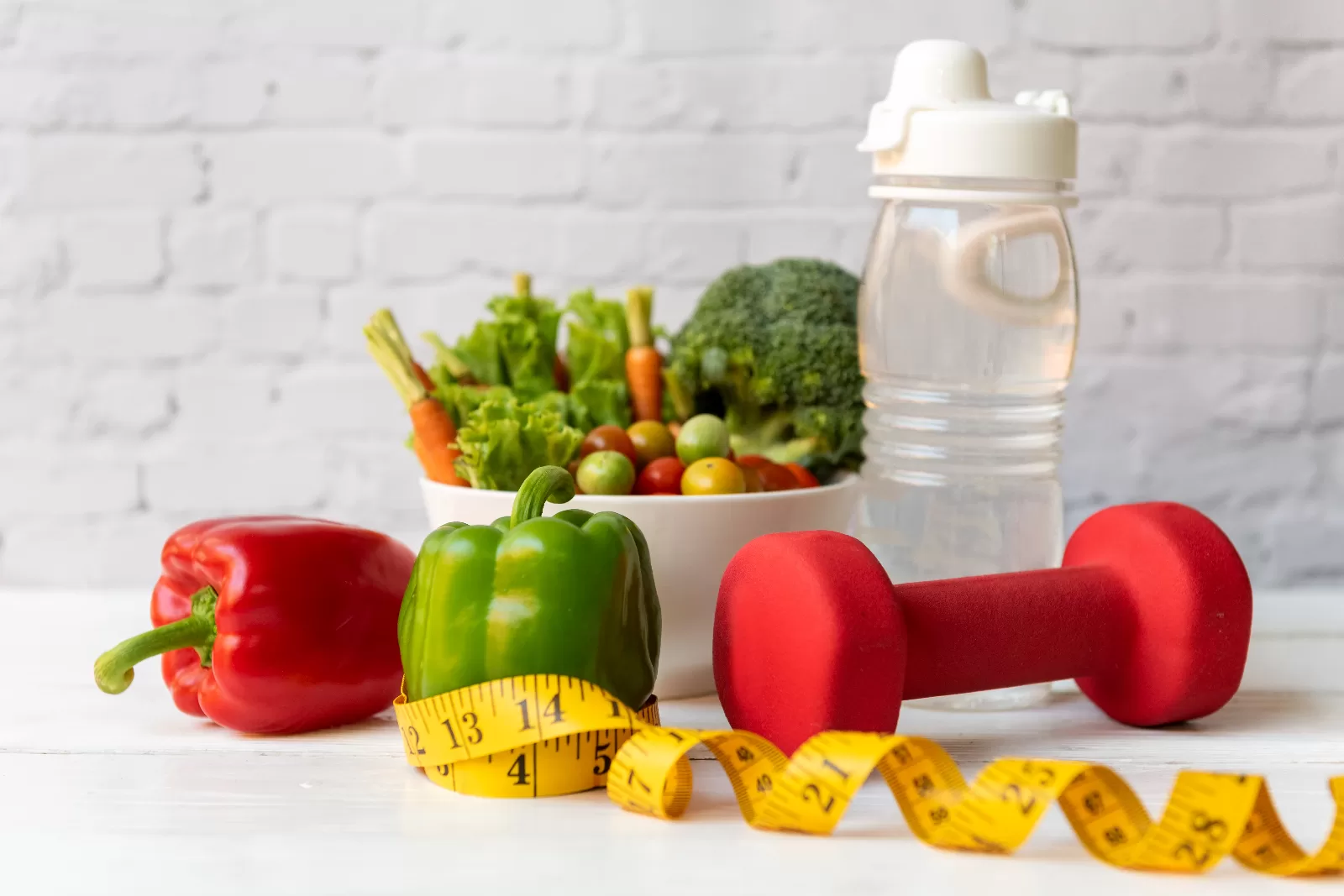
PCOS causes irregular periods due to hormonal imbalances, specifically elevated androgens and insulin resistance, which disrupt normal ovulation. When ovaries do not release an egg monthly, cycle lengths stretch beyond 35 days or stop entirely. Managing it requires targeted dietary shifts, lifestyle adjustments, stress control, and gynaecological guidance tailored to your body.
- Irregular cycles in PCOS stem from excess androgens and insulin resistance preventing monthly ovulation.
- A balanced Indian diet focusing on low-GI foods like millets, pulses, and local greens helps restore hormonal rhythm.
- Sustainable lifestyle shifts, including moderate daily movement and sound sleep, significantly improve menstrual regularity.
- Consult a gynaecologist promptly if your cycle exceeds 35 to 45 days or if you miss periods for three consecutive months.
Why PCOS Causes Irregular Periods: Understanding the Hormonal Puzzle
Polycystic Ovary Syndrome (PCOS) is one of the most common endocrine conditions affecting Indian women today, yet it remains widely misunderstood. At its core, an irregular menstrual cycle is often the first visible sign that internal hormones are out of alignment. To manage your periods effectively, you first need to understand what is happening inside your reproductive system.
The Role of Androgens and Insulin Resistance
In a typical menstrual cycle, a delicate interplay of hormones allows one egg to mature inside an ovarian follicle and release during ovulation. However, PCOS disrupts this natural sequence. Most women with PCOS produce higher levels of androgens—often referred to as male hormones, though present in all women in smaller amounts. High androgen levels prevent ovarian follicles from maturing fully and releasing an egg on schedule.
Compounding this issue is insulin resistance, a state where your body cells do not respond efficiently to the hormone insulin. The pancreas compensates by producing excess insulin to manage blood sugar. High circulating insulin triggers the ovaries to produce even more testosterone and androgens, creating a stubborn metabolic loop that suppresses monthly ovulation entirely.
What Irregular Actually Means for Indian Women
Many women grow up believing that a healthy cycle must arrive precisely every 28 days. In reality, a normal cycle ranges anywhere from 21 to 35 days. If your periods consistently take longer than 35 days to arrive (oligomenorrhea), or if you go more than three consecutive months without a period (amenorrhea), your cycle is considered irregular. In some cases, PCOS causes prolonged, unpredictable spotting rather than a clear period. Recognizing your personal pattern is the crucial first step toward restoring order.
Dietary Shifts That Work for the Indian Kitchen
Managing PCOS does not require adopting restrictive Western meal plans that are hard to maintain alongside traditional home cooking. You can achieve excellent hormonal support by simply tweaking the structure of classic Indian meals to control insulin spikes.
Swap Refined Carbs for Complex Millets and Pulses
Traditional urban Indian diets are often heavily carb-focused, relying on refined wheat flour (maida), polished white rice, and deep-fried snacks. These high-glycemic foods cause rapid blood sugar surges, triggering massive insulin releases that worsen PCOS symptoms. To keep insulin levels steady, swap polished rice and refined wheat for nutrient-dense whole grains like jowar, bajra, ragi, and foxtail millet.
When assembling your thali, structure your plate with care. Fill half your plate with non-starchy vegetables like bhindi, laoki, tori, and palak. Assign one-quarter to protein sources such as rajma, chana, moong dal, paneer, eggs, or lean meat, and dedicate the remaining quarter to a moderate portion of whole grains. This high-fiber, protein-rich combination slows digestion and prevents sharp glucose spikes.
Natural Kitchen Remedies: Methi, Spearmint, and Cinnamon
Indian kitchens contain powerful functional ingredients that naturally support hormonal balance:
- Methi (Fenugreek) Seeds: Soaking a teaspoon of methi seeds in water overnight and drinking it in the morning can improve glucose tolerance and insulin sensitivity over time.
- Spearmint Tea: Drinking pure spearmint tea twice daily helps reduce elevated free testosterone levels, which can assist in reducing hirsutism and encouraging ovulation.
- Cinnamon (Dalchini): Adding a pinch of cinnamon powder to warm morning water or evening herbal tea helps stabilize blood glucose levels after meals.
Physical Activity and Stress: Reclaiming Cycle Regularity
Exercise is one of the most powerful tools to lower insulin resistance and restore regular ovulation. However, the intensity and style of exercise matter greatly when dealing with PCOS.
Finding the Right Movement Routine
While high-intensity interval training works for some, overly exhausting workouts can elevate body stress and spike cortisol levels, which can further delay your period. Focus instead on sustainable, moderate-intensity movement:
- Brisk Walking: Completing 8,000 to 10,000 steps daily improves cellular insulin uptake without overtaxing your adrenal system.
- Strength Training: Lifting weights or practicing bodyweight resistance exercises two to three times a week builds muscle, which serves as a primary engine for glucose clearance.
- Hormone-Balancing Yoga: Postures such as Baddha Konasana (Butterfly Pose), Supta Baddha Konasana, and Bhujangasana promote blood circulation in the pelvic area while calming the nervous system.
Cortisol, Sleep, and Menstrual Rhythm
Chronic stress is a major trigger for skipped periods. When you experience constant stress—from work pressures, poor sleep, or emotional strain—your body prioritizes producing cortisol over sex hormones like progesterone. Prioritize 7 to 8 hours of restful sleep every night. Reducing screen time before bed and incorporating ten minutes of deep breathing exercises (Pranayama) can lower cortisol, reassuring your body that it is safe to ovulate.
Medical Interventions and When to Visit a Doctor
While lifestyle changes are the foundation of PCOS care, medical guidance is vital to monitor overall endocrine health and safeguard your uterine lining.
Diagnostic Tests Every Indian Woman Should Know
If your periods are regularly delayed beyond 35 to 45 days, consult a qualified gynaecologist. They will typically recommend comprehensive diagnostic checks:
- Pelvic Ultrasound: Examines the ovaries for multiple undeveloped follicles and measures the thickness of the endometrial lining.
- Hormonal Panel: Measures LH (Luteinizing Hormone), FSH (Follicle Stimulating Hormone), free testosterone, and prolactin levels.
- Metabolic Screening: Tests fasting blood sugar, HbA1c, fasting insulin, and lipid levels to assess metabolic risk.
- Thyroid Panel (TSH): Rules out hypothyroidism, a condition that frequently coexists with PCOS and causes similar period irregularities.
Medical Treatments vs. Lifestyle Support
A doctor may prescribe short-term progesterone therapy to trigger a withdrawal bleed if you have missed periods for several months. Inducing a period periodically is essential to prevent the endometrial lining from thickening excessively. Doctors may also consider Metformin to manage marked insulin resistance or birth control pills for severe symptoms. However, medication should complement, rather than replace, sustainable nutrition and movement habits.
Managing Long-Term Reproductive and Metabolic Health
In many Indian households, discussions around PCOS only arise when a woman plans to conceive. However, viewing PCOS strictly through the lens of fertility overlooks its broader impact on systemic health.
Beyond Menstruation: Fertility and Metabolic Wellness
Restoring predictable periods is about much more than achieving pregnancy. Regular cycles indicate that your body is producing balanced estrogen and progesterone, which protect bone density, cardiovascular health, mood, and long-term energy. If pregnancy is your goal, consistent ovulation is essential; however, balanced hormones serve your physical well-being at every age, regardless of your life plans.
Building a Sustainable, Lifelong Routine
PCOS is a chronic metabolic tendency rather than a temporary infection that disappears after a single course of medicine. Approach your habits not as a short-term diet to trigger your next cycle, but as a lifelong commitment to your health. Acknowledge positive changes as they happen—such as stabilized daily energy, lighter sugar cravings, clearer skin, and cycles that steadily move closer to a predictable pattern.
Frequently asked questions
Can I get pregnant naturally if I have PCOS and irregular periods?
Yes, natural pregnancy is entirely possible with PCOS. Irregular periods indicate unpredictable ovulation, making timing harder, but restoring regular ovulation through tailored lifestyle shifts, targeted nutrition, or medical guidance improves your chances significantly.
Is it dangerous to go several months without a period in PCOS?
Missing periods for more than three consecutive months allows the uterine lining (endometrium) to build up without shedding. Over time, this increases the risk of endometrial hyperplasia. Consult a gynaecologist if you miss periods for over 90 days.
How long does it take to regularise periods naturally with PCOS?
Hormones adapt gradually. With consistent adjustments to nutrition, physical activity, sleep, and stress management, most women begin seeing positive changes in cycle regularity within 3 to 6 months.
Does eating a low-carb diet mean completely quitting Indian staples like rice and roti?
No. You do not need to eliminate traditional foods entirely. Focus on portion control and replacing refined grains with complex options like jowar, bajra, or brown rice while pairing carbohydrates with protein, healthy fats, and high-fiber vegetables.
Sources
- ACOG — reference — ACOG
- NIH — reference — NIH
- Mayo Clinic — reference — Mayo Clinic
This article is for general information and education only and is not medical advice. Always consult a qualified healthcare professional about your situation.