

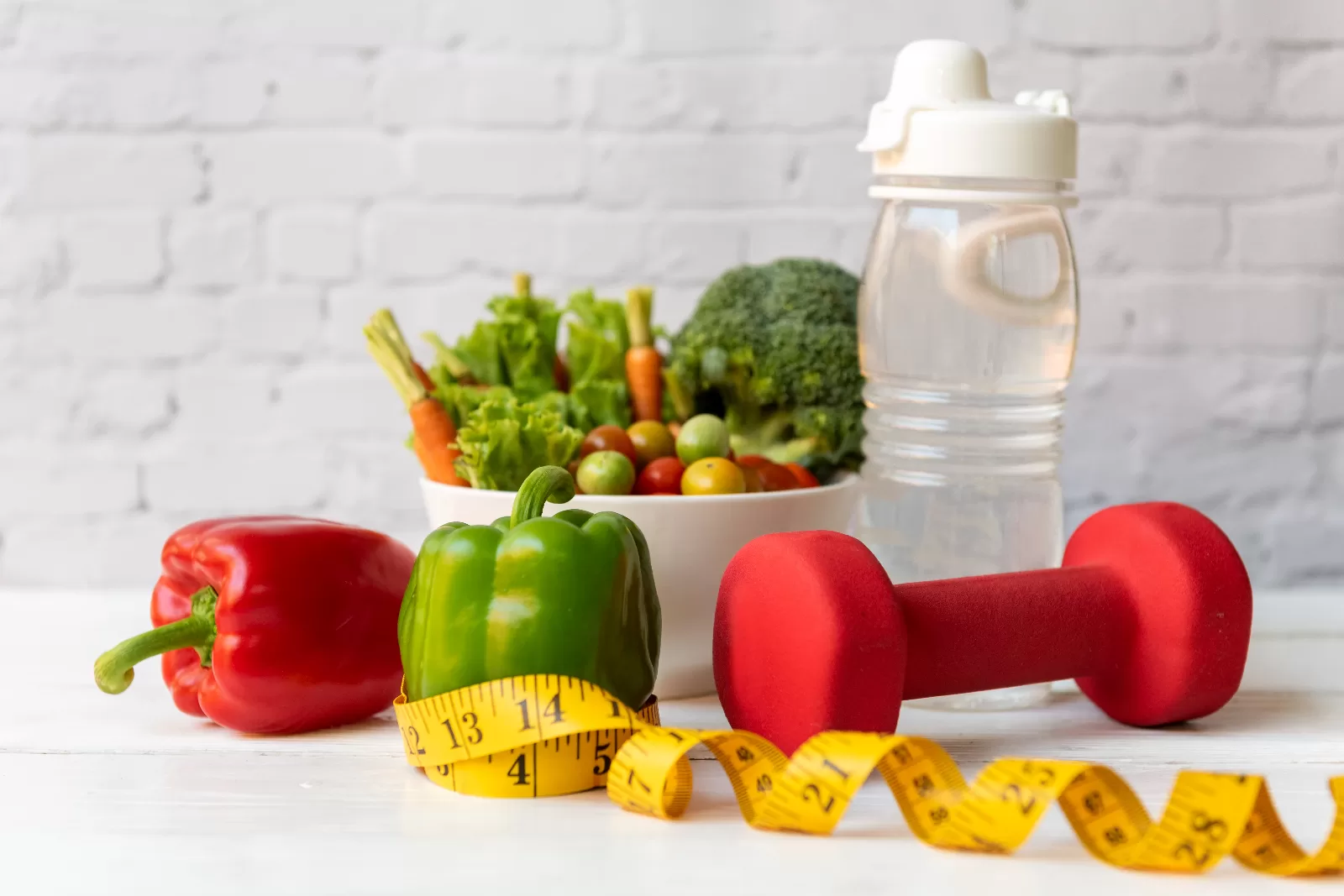
PCOS causes hormonal imbalances and insulin resistance that interfere with regular ovulation, making natural conception challenging. However, through targeted Indian low-GI dietary changes, insulin sensitizers, stress management, and medical ovulation induction under a gynaecologist's guidance, most women with PCOS can achieve a healthy pregnancy.
- Anovulation (lack of regular egg release) is the main reason PCOS affects fertility, but it can be restored.
- Addressing insulin resistance through complex carbs like millets and adequate protein improves both egg quality and cycle regularity.
- First-line medications like Letrozole or Myo-Inositol supplements often induce ovulation without needing immediate IVF.
- Tracking ovulation using cervical mucus and Basal Body Temperature is more accurate for PCOS than basic period tracking apps.
Understanding How PCOS Impacts Your Ovulation and Egg Quality
Polycystic Ovary Syndrome (PCOS) is one of the most prevalent metabolic and hormonal conditions among women in India, affecting nearly 1 in 5 women of reproductive age. If you have been diagnosed with PCOS and are planning a pregnancy, it is important to know that PCOS does not equal infertility. Instead, it indicates that your ovaries require specific lifestyle and medical support to develop and release a mature egg regularly.
In a standard menstrual cycle, the pituitary gland produces Follicle Stimulating Hormone (FSH) and Luteinizing Hormone (LH) to help a single ovarian follicle mature and release an egg (ovulation). In women with PCOS, elevated baseline LH levels combined with high insulin levels and increased male hormones (androgens) disrupt this delicate balance. Consequently, multiple small follicles begin to grow but fail to mature, remaining as fluid-filled sacs that give ovaries their characteristic polycystic appearance on an ultrasound scan.
Without regular egg release (known as anovulation), natural fertilization cannot take place. Furthermore, persistent insulin resistance—which impacts a large majority of Indian women with PCOS regardless of body mass index—can impair the intra-ovarian environment, negatively affecting both egg quality and the endometrial lining required for successful embryo implantation.
Essential Diagnostic Tests Before Trying to Conceive
Before initiating your conception journey, consulting a gynaecologist or reproductive endocrinologist for a comprehensive evaluation is essential. Getting an accurate baseline profile helps tailor your lifestyle plan and treatment strategy efficiently.
Key diagnostic investigations usually recommended include:
- Transvaginal Ultrasound (TVUS): Evaluates ovarian volume, baseline antral follicle count (AFC), and uterine lining thickness.
- Fasting Blood Glucose and Fasting Insulin: Calculates your HOMA-IR ratio to identify hidden insulin resistance, even when your routine HbA1c appears normal.
- Hormone Profile (Day 2 or Day 3 of your period): Measures FSH, LH, Estradiol, Serum Prolactin, and Thyroid Stimulating Hormone (TSH). A altered LH-to-FSH ratio (often 2:1 or higher) is a classic marker of PCOS.
- Anti-Müllerian Hormone (AMH): Women with PCOS typically present with high or elevated AMH levels due to a large pool of small follicles. While high AMH reflects strong ovarian reserve, markedly high values confirm anovulatory cycles.
- Androgen Panel: Tests free testosterone and DHEAS to evaluate hyperandrogenism, which directly interferes with normal follicle selection.
The Indian Lifestyle and Nutrition Blueprint for PCOS Fertility
Dietary modification serves as the baseline for re-establishing natural ovulation. Standard Indian household meals are frequently heavy in simple carbohydrates like white rice, refined wheat flour (maida), and deep-fried snacks. Updating your thali into a balanced, protein-rich, low-glycemic index (GI) meal plan effectively reduces insulin surges and stabilizes androgen levels.
1. Smart Carbohydrate Swaps and Protein Anchoring
You do not need to abandon Indian cuisine to manage PCOS. Instead, focus on complex carbohydrates that deliver sustained energy without rapid glucose spikes. Replace polished white rice and maida with whole grains and local millets such as ragi (finger millet), jowar (sorghum), bajra (pearl millet), and red rice.
Ensure every meal contains a substantial protein source to slow digestion and improve egg health. Prioritize foods like paneer, tofu, boiled eggs, grilled chicken or fish, moong sprouts, chana, and rajma. Fill half your plate with fibrous green vegetables such as spinach, fenugreek leaves (methi), bottle gourd (lauki), and ridge gourd (torai).
2. Incorporating Potent Kitchen Herbs and Seeds
Traditional Indian spices and functional foods offer clinical benefits for hormone stabilization:
- Ceylon Cinnamon (Dalchini): Adding half a teaspoon of ground cinnamon to warm water or breakfast oats enhances insulin sensitivity.
- Fenugreek Seeds (Methi Dana): Soaking a teaspoon of fenugreek seeds overnight and drinking the water in the morning supports blood sugar control.
- Spearmint Tea: Consuming organic spearmint tea twice daily helps reduce excess free testosterone, curbing symptoms like facial hair and acne.
- Seed Cycling: Eating raw flaxseeds and pumpkin seeds during the first phase of your cycle (Days 1–14), followed by sesame and sunflower seeds during the second phase (Days 15–28), supplies essential fatty acids and minerals that support healthy hormone synthesis.
Medical Interventions: From First-Line Therapy to Advanced Options
If consistent dietary updates and daily movement do not induce spontaneous ovulation within three to six months, modern clinical protocols offer highly successful, safe treatment options.
Ovulation Induction Medications
Your doctor may prescribe short courses of oral medication early in your cycle to trigger follicle development:
- Letrozole: Widely recognized as the primary choice for ovulation induction in women with PCOS. It gently lowers estrogen temporarily, signaling the pituitary gland to release FSH and nurture a single dominant follicle with minimal side effects.
- Clomiphene Citrate: An established alternative that stimulates FSH release. In some women, however, it may lead to a thinner endometrial lining, which your doctor will monitor via ultrasound.
Insulin Sensitizers and Targeted Supplements
Metformin: An oral prescription medication that reduces glucose output from the liver and improves peripheral insulin uptake, helping normalize menstrual cycles and support ovulation.
Myo-Inositol and D-Chiro-Inositol: B-vitamin-like nutrients (specifically in a 40:1 ratio) that play a vital role in cellular insulin signaling. Supplementing with inositol improves egg maturity, balances hormone levels, and boosts overall conception rates in women with PCOS.
Follicular Tracking and hCG Trigger Injections
During an active treatment cycle, serial transvaginal scans (follicular monitoring) track follicle growth starting around Day 9 or 10. When the main follicle reaches 18–20 mm in diameter, an human Chorionic Gonadotropin (hCG) injection is given to trigger ovulation reliably within 36 hours, helping you time natural intercourse or Intrauterine Insemination (IUI).
Stress Management and Accurate Ovulation Tracking
Elevated cortisol levels resulting from emotional stress disrupt the Hypothalamic-Pituitary-Ovarian (HPO) axis, further delaying ovulation. In many Indian households, societal expectations around immediate post-marriage pregnancy can heighten anxiety. Prioritizing rest and proper tracking techniques helps regain control of your health.
How to Track Ovulation with Irregular Cycles
Generic calendar-based period apps assume a standard 28-day cycle and often fail for women with PCOS. Utilize these reliable real-time tracking methods instead:
- Cervical Mucus Inspection: Observe changes in vaginal discharge. Clear, slippery, stretchy mucus similar to raw egg whites signals high estrogen levels and peak fertility.
- Basal Body Temperature (BBT): Taking your waking body temperature daily using a two-decimal digital thermometer reveals a slight rise (around 0.5°F) immediately *after* ovulation occurs, confirming that an egg was released.
- Ovulation Predictor Kits (OPKs): These measure LH spikes in urine. Use them alongside cervical mucus tracking, as women with baseline high LH can occasionally encounter false positives.
Engaging in 20–30 minutes of low-impact physical exercise—such as brisk walking, strength training, or pranayama (Anulom Vilom and Bhramari)—helps reduce cortisol levels, supporting your body's overall fertility potential.
Frequently asked questions
Can I get pregnant naturally if I have PCOS?
Yes, many women with PCOS conceive naturally once spontaneous ovulation is restored. Achieving this through a balanced low-GI diet, weight management, stress reduction, and key supplements like Myo-Inositol often normalizes cycles without requiring advanced fertility procedures.
Is Letrozole safe and effective for ovulation in PCOS?
Letrozole is currently considered the primary and most effective medical option for inducing ovulation in women with PCOS. It carries a high success rate for triggering single-follicle growth and clinical pregnancy when monitored carefully by a gynaecologist.
Is IVF always necessary for women diagnosed with PCOS?
No, IVF is usually a later step. The vast majority of women with PCOS achieve pregnancy using simpler, less invasive methods, such as dietary modifications, lifestyle management, oral ovulation medications (Letrozole), or timed Intrauterine Insemination (IUI).
How does Myo-Inositol help with PCOS fertility?
Myo-Inositol improves cellular insulin sensitivity and supports FSH signaling in the ovaries. Clinical studies demonstrate that taking Myo-Inositol daily improves egg quality, lowers hyperandrogenism, and restores regular ovulatory cycles in women with PCOS.
Sources
- ACOG — reference — ACOG
- NIH — reference — NIH
- Mayo Clinic — reference — Mayo Clinic
This article is for general information and education only and is not medical advice. Always consult a qualified healthcare professional about your situation.