

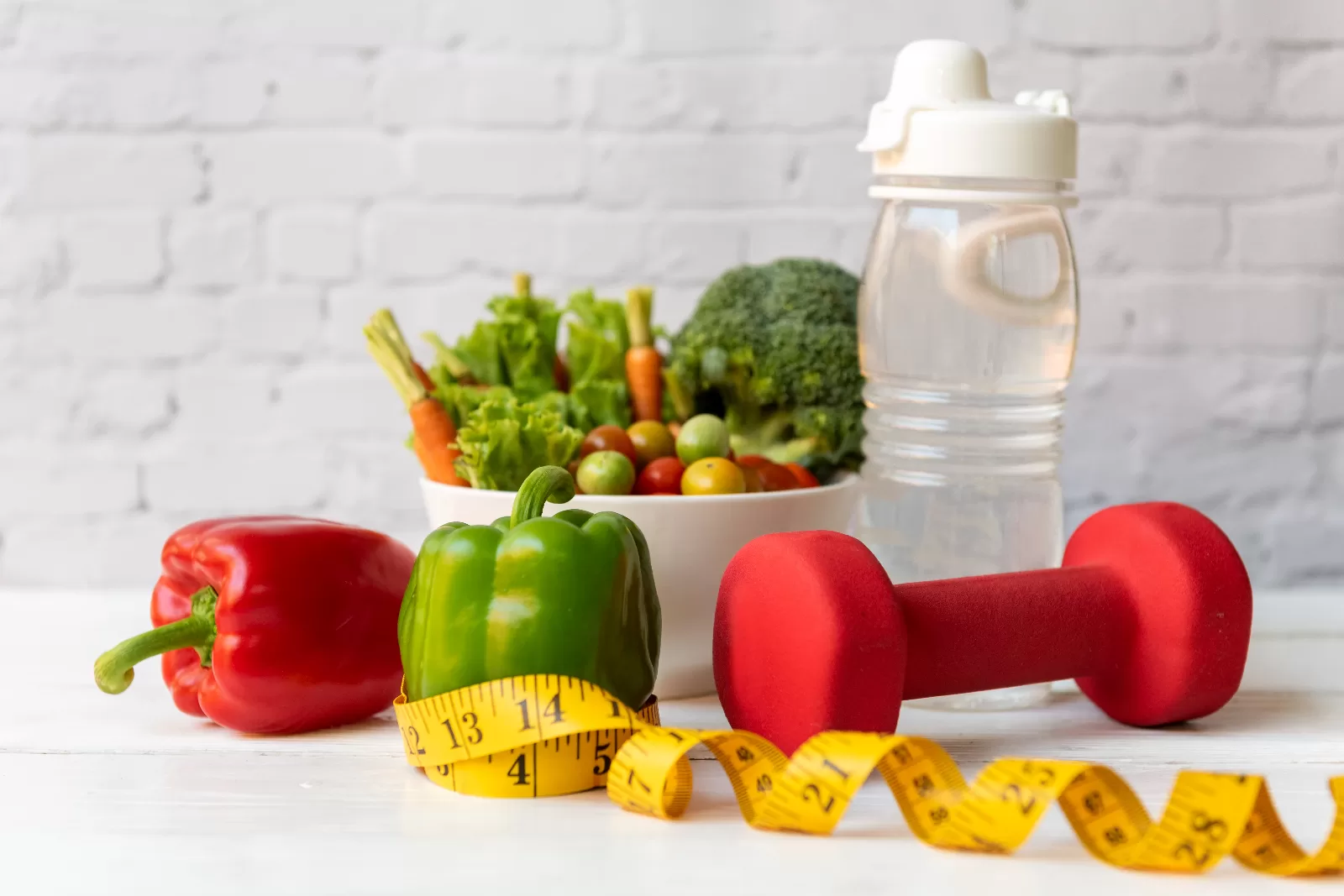
Insulin resistance occurs when your cells ignore insulin, forcing your pancreas to overproduce it. In PCOS, high insulin triggers your ovaries to produce excess testosterone, driving stubborn abdominal fat, acne, hair thinning, and missed periods. Managing insulin sensitivity through fiber-rich meals, strength training, and medical guidance treats the root cause of PCOS.
- Insulin resistance affects up to 80% of women with PCOS, regardless of whether they are overweight or lean.
- Elevated insulin signals the ovaries to overproduce male hormones (androgens), causing acne, facial hair, and irregular cycles.
- Traditional high-carb Indian diets can trigger sharp glucose spikes; pairing meals with protein, healthy fats, and fiber stabilizes insulin.
- Targeted lifestyle interventions—like post-meal walks, strength training, Myo-inositol, and sleep hygiene—dramatically improve insulin sensitivity.
The Hidden Link Between PCOS and Insulin Resistance
Polycystic Ovary Syndrome (PCOS) is often perceived simply as a hormonal issue affecting periods and fertility. However, at its core, PCOS is deeply rooted in metabolic dysfunction. Up to 80% of women diagnosed with PCOS suffer from underlying insulin resistance. Understanding this biological connection is crucial to managing symptoms effectively and reversing long-term metabolic health risks.
Insulin is a vital hormone produced by the pancreas. Its primary responsibility is to shuttle glucose from the bloodstream into your cells, where it is converted into energy. When you develop insulin resistance, your cells become desensitized to this hormone. In response, the pancreas works overtime, pumping out increasingly higher amounts of insulin to push glucose into the cells. This leads to a state known as hyperinsulinemia—chronically high levels of insulin circulating in the bloodstream.
How High Insulin Triggers Excess Androgens
Excessive insulin levels directly disrupt ovarian function. The ovaries feature insulin receptors, and when flooded with insulin, they are stimulated to produce elevated quantities of male hormones, primarily testosterone. This hormonal cascade triggers classic PCOS symptoms, including:
- Hirsutism: Excess coarse, dark hair growth on the chin, jawline, chest, and stomach.
- Androgenic Alopecia: Thinning hair on the crown of the head and along the hairline.
- Cystic Acne: Persistent, deep breakouts along the lower third of the face and neck.
- Anovulation: Irregular, delayed, or missing menstrual periods, leading to subfertility.
Furthermore, elevated insulin prevents the liver from producing Sex Hormone-Binding Globulin (SHBG), a protein that binds to excess testosterone. With lower SHBG levels, more free testosterone circulates in your blood, exacerbating androgenic symptoms.
Recognizing the Signs of Insulin Resistance in Indian Women
Insulin resistance often develops silently for years before blood sugar tests register as prediabetic or diabetic. In Indian women, who naturally possess a higher genetic predisposition to abdominal fat accumulation and metabolic syndrome, recognizing early physical markers is essential.
1. Acanthosis Nigricans
This biological hallmark appears as darkened, thick, velvety patches of skin around body folds. Indian women frequently notice this hyperpigmentation around the back of the neck, underarms, inner thighs, and knuckles. It is often mistaken for skin hygiene issues or sun tanning, but it is actually a direct cutaneous marker of high circulating insulin.
2. Visceral Adiposity and Stubborn Weight Gain
High insulin acts as a powerful fat-storage hormone while simultaneously inhibiting lipolysis (fat breakdown). Women with insulin resistance struggle to lose weight, particularly around the midsection. Even in cases of Lean PCOS, where a woman’s body mass index (BMI) remains within a normal range, excess visceral fat around abdominal organs remains common.
3. Post-Meal Fatigue and Intense Carbohydrate Cravings
Experiencing extreme drowsiness, brain fog, or an energy crash shortly after eating a heavy lunch is a prominent sign. Additionally, experiencing intense, irresistible cravings for sweet foods like mithai, chocolates, or refined snacks shortly after meals indicates rapid blood sugar spikes followed by steep insulin crashes.
Revitalizing the Indian Thali for Better Insulin Sensitivity
Traditional Indian diets are predominantly high in carbohydrates, relying heavily on polished white rice, refined wheat flour (maida), and sugary gravies. While these staples are culturally comforting, they digest rapidly, driving sharp glucose spikes and taxing the pancreas. You do not need to abandon Indian cuisine; instead, strategic modifications can make your meals insulin-friendly.
Smart Carbohydrate Swaps
Replace high-glycemic carbs with low-glycemic, fiber-rich alternatives that release glucose slowly into the bloodstream:
- Swap polished white rice for traditional varieties like brown rice, red rice, black rice, or minor millets like jowar, bajra, and ragi.
- Modify wheat rotis by mixing whole wheat flour with multi-grain bran or chickpea flour (besan) in a 1:1 ratio to boost protein and fiber content.
- Incorporate legumes like green gram (moong), chickpeas (chana), and rajma into meals, ensuring they are soaked to improve digestibility.
Prioritizing Protein and Healthy Fats
Protein stimulates glucagon release, balancing insulin levels while promoting satiety. Every main meal should include dedicated protein sources. For vegetarians,paneer, tofu, thick hung curd (dahi), and sprouted legumes are excellent choices. Non-vegetarians can include boiled eggs, lean chicken breast, and fish.
Healthy fats slow down gastric emptying, preventing sharp glucose spikes. Include small portions of ghee, cold-pressed mustard oil, coconut oil, walnuts, almonds, flaxseeds, and chia seeds in your daily routine.
Adopt the 'Food Sequencing' Strategy
The order in which you consume your food alters its metabolic impact. Eating non-starchy fiber (cooked vegetables or salad) first creates a mesh in your digestive tract. Following fiber with protein and fats, and leaving high-carb portions (roti or rice) for the end of the meal, can reduce post-meal glucose spikes by up to 40%.
Exercise and Lifestyle Habits That Restore Insulin Sensitivity
Diet alone is only one half of the equation. Daily physical movement and lifestyle adjustments play a crucial role in reversing insulin resistance.
Emphasize Strength Training Over Excess Cardio
Skeletal muscle mass serves as your body's largest glucose reservoir. When muscles contract during resistance training, they absorb glucose directly from the bloodstream via non-insulin-dependent pathways. Incorporating strength training, bodyweight exercises, or progressive resistance work 3 to 4 times a week significantly enhances cell sensitivity to insulin.
The Power of Post-Meal Walks
Instead of resting immediately after lunch or dinner, commit to a brisk 10 to 15-minute walk. Light activity after eating prompts your skeletal muscles to clear glucose from the blood, drastically flattening the postprandial insulin spike.
Manage Cortisol and Sleep Hygiene
Chronic stress triggers the release of cortisol, a adrenal hormone that signals the liver to release stored glucose into the bloodstream. Combined with inadequate sleep (less than 7 hours per night), elevated cortisol elevates fasting insulin levels and worsens cravings. Prioritise consistent sleep schedules and daily stress-reduction practices like pranayama or deep breathing exercises.
Medical Diagnostics, Supplements, and Clinical Interventions
If lifestyle modifications are insufficient, clinical evaluations and targeted therapies can accelerate progress. Standard fasting blood sugar or HbA1c tests often stay normal in early insulin resistance. Request comprehensive metabolic markers from your healthcare provider, including:
- Fasting Serum Insulin: Ideal levels should remain low, ideally under 8-10 uIU/mL.
- HOMA-IR (Homeostatic Model Assessment): A calculated ratio measuring insulin resistance. A score above 1.9 indicates early insulin resistance.
- Oral Glucose Tolerance Test (OGTT): Measures how rapidly your body handles a standardized glucose load over two hours.
Therapeutic Supplements and Medications
Under medical supervision, specific supplements and medications show evidence-based efficacy in restoring insulin sensitivity:
- Myo-Inositol and D-Chiro-Inositol: A combined 40:1 ratio mimics internal cellular signaling, improving cellular response to insulin, supporting regular ovulation, and reducing androgen levels.
- Metformin: A widely prescribed clinical medication that reduces hepatic glucose production and enhances peripheral tissue insulin sensitivity.
- Vitamin D3 and Magnesium: High rates of Vitamin D deficiency in Indian women correlate with compromised insulin secretion. Correcting Vitamin D and Magnesium levels enhances glucose metabolism.
By shifting the focus from quick-fix diets to long-term insulin management, women with PCOS can restore hormonal equilibrium, improve energy levels, and achieve sustainable reproductive and metabolic health.
Frequently asked questions
Can lean women with PCOS still have insulin resistance?
Yes. Up to 50% of lean women diagnosed with PCOS have underlying insulin resistance. While they may not have excess subcutaneous fat, they often carry hidden visceral fat around abdominal organs, which impairs cell sensitivity to insulin and triggers excess androgen production.
Do I need to completely quit eating rice and rotis to fix insulin resistance?
No, you do not need to eliminate traditional carbohydrates entirely. Instead, reduce portion sizes, switch to low-glycemic, unrefined grains like millets or brown rice, mix besan into wheat flour, and eat your carbohydrates alongside ample protein, fiber, and healthy fats.
Is Metformin mandatory for treating insulin resistance in PCOS?
Metformin is not mandatory for everyone. Many women successfully manage insulin resistance through diet, strength training, and targeted supplements like Myo-Inositol. However, Metformin is a safe, well-researched option that doctors prescribe when lifestyle modifications alone are insufficient.
How long does it take to improve insulin sensitivity and see regular periods?
Cellular insulin sensitivity begins to improve within a few weeks of starting consistent physical activity and diet modifications. However, noticeable clinical changes—such as regular menstrual cycles, clearer skin, and reduced hair loss—typically require 3 to 6 months of sustained lifestyle effort.
Sources
- ACOG — reference — ACOG
- NIH — reference — NIH
- Mayo Clinic — reference — Mayo Clinic
This article is for general information and education only and is not medical advice. Always consult a qualified healthcare professional about your situation.