

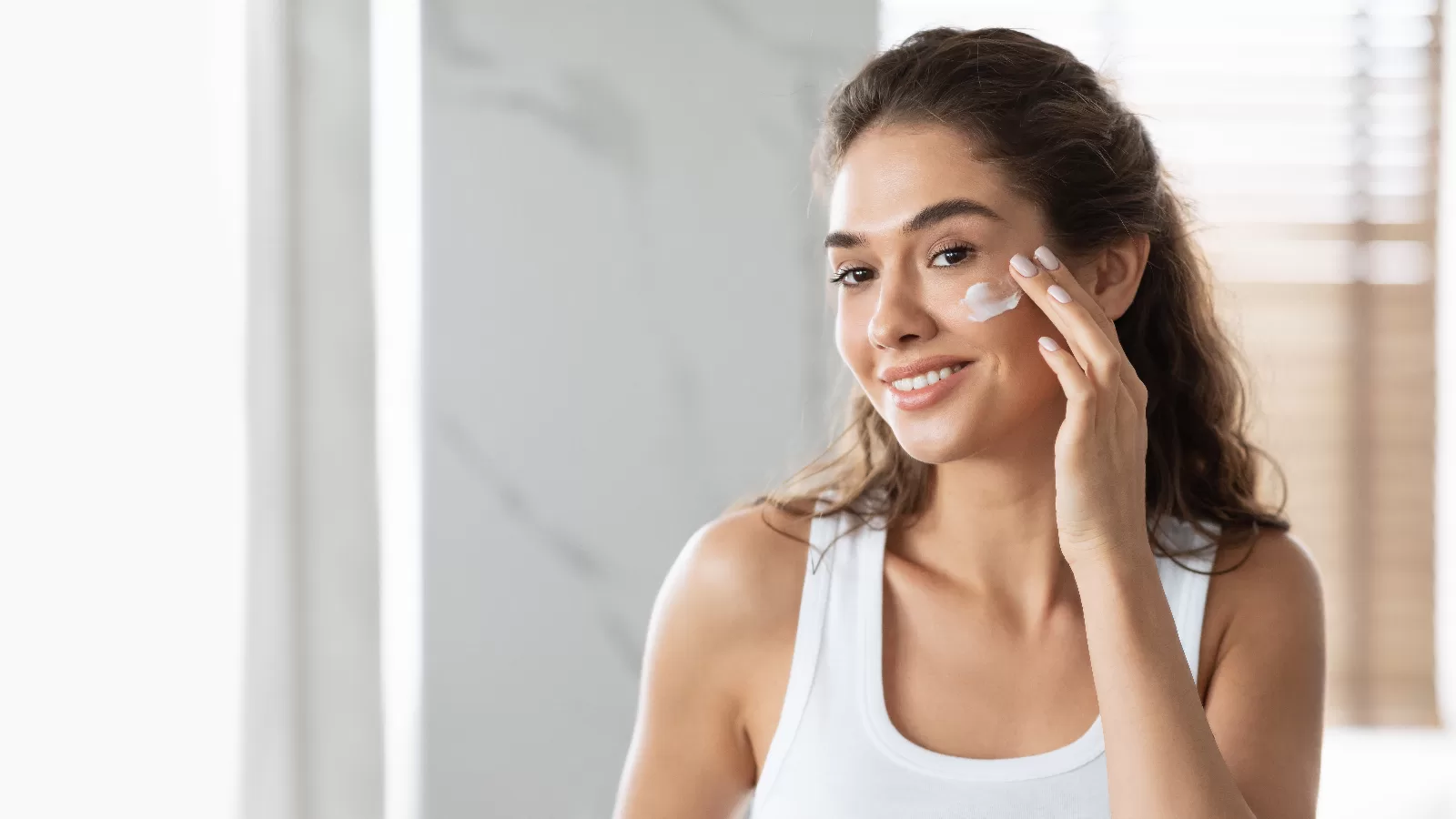
Pregnancy triggers hormonal shifts that cause melasma, acne, and sensitivity. Keep your skincare routine simple: swap prescription retinoids and high-dose salicylic acid for safer alternatives like azelaic acid, vitamin C, and mineral sunscreens (zinc oxide). Always double-check active ingredients with your gynecologist or dermatologist before starting any new product during pregnancy.
- Avoid prescription retinoids, hydroquinone, and high-strength chemical peels throughout pregnancy and breastfeeding.
- Manage pregnancy melasma and hyperpigmentation using safe brighteners like azelaic acid, vitamin C, and physical zinc oxide sunscreens.
- Treat pregnancy breakouts with gentle cleansers, niacinamide, and low-strength lactic acid rather than harsh leave-on acne treatments.
- Focus on barrier repair with ceramides and hyaluronic acid to calm increased skin sensitivity caused by estrogen and progesterone shifts.
The Pregnancy Glow Myth vs. Hormonal Reality on Indian Skin
Every expectant mother hears about the legendary pregnancy glow. While increased blood volume and elevated hormones can indeed make your skin look plump and radiant, the reality for many Indian women involves unexpected skin challenges. The dramatic surges in estrogen, progesterone, and melanocyte-stimulating hormone (MSH) frequently trigger stubborn melasma, severe breakouts, heightened sensitivity, and localized dark patches around the neck, armpits, and inner thighs.
Indian skin tones, which generally fall between Fitzpatrick types III and V, possess higher baseline levels of melanin. This makes our skin exceptionally prone to post-inflammatory hyperpigmentation and melasma when hormones fluctuate. Combined with India's warm, humid climate, excess sebum production can clog pores and exacerbate acne. Navigating these changes requires a careful balance between addressing cosmetic concerns and ensuring complete safety for your developing baby.
Ingredients You Must Pause During Pregnancy
When you get a positive pregnancy test, your first step in skincare should be auditing your current routine. Many popular dermatological treatments and over-the-counter active ingredients cross the placental barrier or carry potential risks of birth defects. You should immediately pause the following ingredients:
1. Oral and Topical Retinoids
Retinoids, including tretinoin, retinol, retinaldehyde, adapalene, and oral isotretinoin, are strict non-negotiables during pregnancy. Oral retinoids are proven teratogens known to cause severe birth defects. While systemic absorption from topical retinol is low, dermatologists and gynecologists unanimously advise stopping all topical retinoids to eliminate any potential risk.
2. Hydroquinone and Arbutin
Hydroquinone is a prescription skin-lightening agent commonly used in India to treat stubborn pigmentation. Because hydroquinone has a unusually high systemic absorption rate (up to 45%), it should be completely avoided during pregnancy and lactation. Alpha-arbutin, a derivative that breaks down into hydroquinone on the skin, should also be set aside.
3. High-Dose Beta Hydroxy Acids (BHAs)
Salicylic acid is a staple for acne-prone skin. High-dose oral aspirin and high-concentration topical salicylic acid peels pose risks during pregnancy. While over-the-counter rinse-off cleansers containing 2% or less salicylic acid are generally considered low risk by dermatologists, it is best to avoid concentrated, leave-on salicylic acid serums or chemical peels.
4. Chemical Sunscreens with Oxybenzone
Certain chemical sunscreen filters, particularly oxybenzone and octinoxate, are known endocrine disruptors. Because these chemical filters penetrate the bloodstream more easily, switching to mineral filters offers a safer, non-absorbable barrier.
Pregnancy-Safe Actives for Melasma, Acne, and Sensitivity
Pausing risky ingredients does not mean giving up on effective skincare. Several dermatologically backed actives offer outstanding results for pigmentation, acne, and texture without endangering your baby.
For Pigmentation and Melasma: Azelaic Acid and Vitamin C
Azelaic acid is considered the gold standard active ingredient during pregnancy. Available in 10% over-the-counter formulations or up to 15-20% by prescription, azelaic acid selectively targets overactive melanocytes, making it highly effective against pregnancy melasma and post-acne marks. It also possesses anti-inflammatory and mild antibacterial properties that clear clogged pores.
Vitamin C (L-ascorbic acid or stable derivatives like 3-O-ethyl ascorbic acid) is another potent antioxidant that neutralizes free radicals, brightens dull skin, and boosts collagen synthesis. Using a vitamin C serum under your morning sunscreen doubles your protection against UV-induced pigmentation.
For Breakouts and Texture: Niacinamide and Alpha Hydroxy Acids (AHAs)
Niacinamide (Vitamin B3) at 2% to 5% concentration is exceptionally gentle and safe. It balances sebum production, reduces redness, strengthens the skin barrier, and fades dark spots without irritating sensitive pregnant skin.
If you need chemical exfoliation, swap salicylic acid for gentle Alpha Hydroxy Acids like lactic acid or glycolic acid in low concentrations (under 10%). Lactic acid, derived from milk, is a larger molecule that exfoliates the skin surface gently while binding hydration to the skin, making it perfect for Indian mothers dealing with combination or sensitive skin.
For Sun Protection: Mineral Sunscreens
Sun protection is non-negotiable, especially during pregnancy when UV exposure rapidly worsens melasma. Physical or mineral sunscreens containing zinc oxide and titanium dioxide rest on top of the skin and reflect UV rays like a shield, without absorbing into the bloodstream. Look for tinted mineral sunscreens; the iron oxides used in tinting offer essential protection against visible light, which is a major contributor to melasma in deeper skin tones.
A Streamlined AM and PM Routine for Expectant Indian Mothers
Pregnancy fatigue is real, so keeping your routine minimal, consistent, and safe is key. Here is a simple daily template suitable for Indian climate conditions:
Morning Routine (Protect & Brighten)
- Gentle Cleanser: Use a sulfate-free, low-pH hydrating cleanser that cleanses without stripping natural moisture.
- Antioxidant Serum: Apply a 10% Vitamin C serum or a 5% Niacinamide serum to damp skin to fight oxidative stress and even out skin tone.
- Lightweight Moisturizer: Pick a gel-cream or lotion containing hyaluronic acid, ceramides, or aloe vera to keep the skin barrier resilient against humidity.
- Mineral Sunscreen (SPF 30-50): Apply a generous amount of a non-comedogenic zinc oxide sunscreen. Reapply every two to three hours if you are outdoors.
Evening Routine (Repair & Treat)
- Double Cleanse: Use micellar water or a light cleansing oil to break down sunscreen and grime, followed by your gentle face wash.
- Targeted Treatment: Apply 10-15% Azelaic Acid cream or a gentle Lactic Acid serum 2-3 nights a week to treat melasma and acne.
- Nourishing Night Cream: Seal everything in with a rich ceramide cream or squalane-based moisturizer to recover lost barrier lipids overnight.
Body Care and Kitchen Remedies: What Works and What to Avoid
It is common for stretch marks to appear on the abdomen, breasts, and hips as your body expands. While stretch marks are largely determined by genetics, rapid weight changes, and skin elasticity, keeping the skin well-hydrated reduces intense itching and improves comfort.
Virgin coconut oil, cold-pressed sweet almond oil, shea butter, and cocoa butter are safe, excellent emollients for body massage during pregnancy. Apply them directly after a shower on damp skin to lock in moisture.
Be cautious with traditional Indian kitchen remedies during pregnancy. While homemade besan (gram flour) and curd packs are generally safe, avoid raw lemon juice, which can cause severe chemical burns and phytophotodermatitis when exposed to sunlight. Pure, unrefined turmeric paste can be soothing, but excessive use may cause contact dermatitis on sensitized skin. Always patch-test homemade or natural remedies before applying them broadly.
Consulting Your Healthcare Provider
Every pregnancy is unique, and individual skin reactions can change rapidly across trimesters due to shifting hormonal profiles. Before introducing any new active ingredient, bring your skincare products to your prenatal visit or consult a qualified dermatologist. Treating your skin gently, protecting it religiously from the Indian sun, and trusting safe, simple formulations will ensure your skin stays healthy and radiant throughout your pregnancy journey.
Frequently asked questions
Is niacinamide safe to use during pregnancy?
Yes, topical niacinamide (Vitamin B3) at 2% to 5% concentration is safe during pregnancy. It helps soothe inflammation, control oil production, strengthen the skin barrier, and fade pigmentation caused by pregnancy hormones.
Can I use salicylic acid face washes while pregnant?
Over-the-counter face washes containing 2% or less salicylic acid are generally considered safe by dermatologists because contact time with the skin is brief. However, leave-on salicylic acid treatments, high-percentage serums, and chemical peels should be avoided.
How can I prevent pregnancy melasma (chloasma) from worsening?
Prevent melasma from worsening by wearing broad-spectrum, mineral-based sunscreens containing zinc oxide and iron oxides every day. Pair your sunscreen with safe topical brighteners like 10% azelaic acid and Vitamin C, and wear wide-brimmed hats outdoors.
Do stretch mark creams actually stop stretch marks from forming?
No cream can completely prevent stretch marks, as they occur in the deeper dermal layer and are primarily driven by genetics and hormonal elasticity. However, regularly moisturizing with coconut oil, cocoa butter, or hyaluronic acid keeps skin supple and reduces dryness and itching.
Sources
- American Academy of Dermatology — reference — American Academy of Dermatology
This article is for general information and education only and is not medical advice. Always consult a qualified healthcare professional about your situation.