

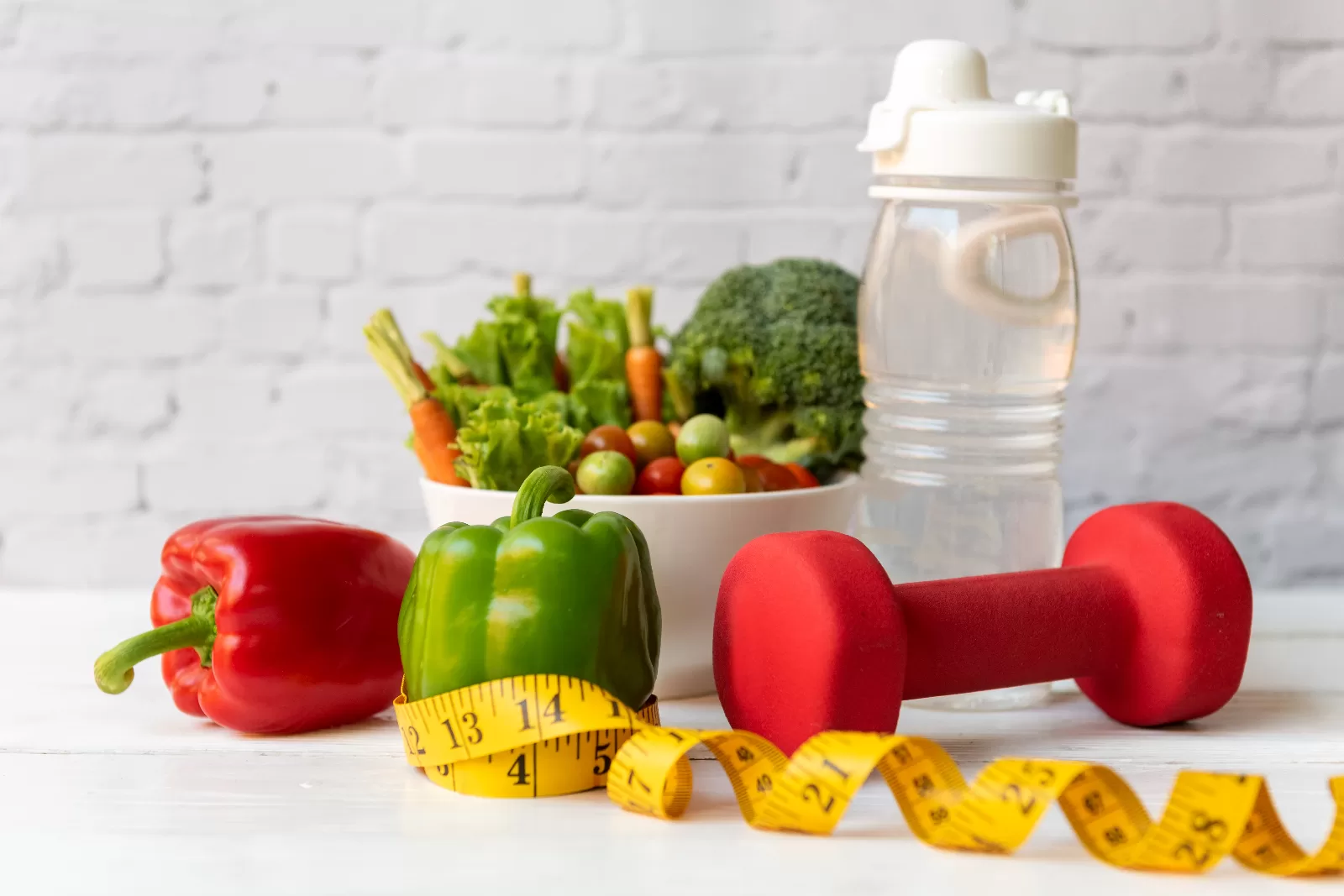
Managing PCOS naturally involves balancing blood sugar, reducing systemic inflammation, and regulating hormones through targeted Indian dietary tweaks and lifestyle habits. Focus on low-GI grains, adequate protein, spearmint tea, daily low-impact strength training, and stress reduction. Pair these practices with key supplements like Myo-inositol and Vitamin D for lasting hormonal equilibrium.
- Prioritize low-glycemic Indian grains like ragi and bajra alongside high-protein pairings to manage insulin resistance.
- Incorporate natural remedies such as spearmint tea, fenugreek seeds, and cinnamon to regulate cycles and lower excess androgen levels.
- Choose resistance training, brisk walking, and restorative yoga over chronic high-intensity cardio to prevent cortisol spikes.
- Address common nutrient deficiencies in Indian women by evaluating levels of Vitamin D3, Vitamin B12, and considering Myo-inositol supplementation.
Understanding the PCOS-Insulin Connection in Indian Women
Polycystic Ovary Syndrome (PCOS) is a complex metabolic and endocrine disorder that affects millions of women across India. While many view PCOS primarily as a reproductive issue marked by irregular periods and ovarian cysts, its core driver is usually metabolic. Insulin resistance plays a pivotal role in up to 80% of PCOS cases. When your cells become resistant to insulin, your pancreas compensates by pumping out excess amounts of this hormone. Elevated insulin signals the ovaries to produce excess testosterone, leading to symptoms like unwanted facial hair (hirsutism), severe adult acne, scalp hair thinning, and central abdominal weight gain.
The Role of Hyperinsulinemia
When high levels of insulin circulate in your bloodstream, they disrupt the delicate balance between luteinizing hormone (LH) and follicle-stimulating hormone (FSH). This disruption prevents follicles in the ovaries from maturing and releasing an egg, which results in delayed or missed ovulation. In the long run, unmanaged hyperinsulinemia increases the risk of type 2 diabetes, metabolic syndrome, and cardiovascular issues. Reversing this cycle naturally requires targeted dietary and lifestyle interventions designed to restore insulin sensitivity.
Why Traditional Indian Meals Need a Tweak
The standard modern Indian diet relies heavily on refined carbohydrates such as white rice, maida, processed noodles, and high-sugar snacks. Even wholesome traditional meals can lean carbohydrate-heavy when dominated by large portions of polished rice or wheat rotis with minimal protein and fiber. Carbohydrate-heavy meals trigger sharp blood glucose spikes, prompting insulin surges that aggravate PCOS symptoms. Adapting traditional eating patterns to favor complex carbohydrates, healthy fats, and high-quality protein creates a steady energy release and supports hormonal harmony.
Transforming Your Thali for Hormone Balance
Natural PCOS management does not require abandoning traditional Indian foods; rather, it involves restructuring your plate to optimize macronutrient ratios. The goal is to stabilize blood sugar levels after every meal, thereby preventing insulin spikes and reducing overall androgen production.
Smart Grain Swaps
Replacing refined grains with ancient Indian millets and whole grains drastically improves the glycemic index of your meals. Swap polished white rice and refined wheat flour for options rich in dietary fiber:
- Ragi (Finger Millet): Packed with calcium and slow-digesting complex carbohydrates that prevent rapid glucose spikes.
- Bajra (Pearl Millet) and Jowar (Sorghum): Excellent gluten-free alternatives that keep you satiated for longer and improve digestion.
- Brown or Red Rice: Unpolished varieties retain their bran layer, delivering essential B vitamins and fiber to slow glucose absorption.
- Sattu and Chana Atta: Blending roasted gram flour into your regular roti dough boosts total protein and fiber content.
Protein First, Carb Last
Protein is the most crucial macronutrient for stabilizing blood sugar and promoting fullness. Ensure every meal contains a substantial protein source before consuming complex carbohydrates. Vegetarian options include paneer, tofu, boiled sprouts, chana, rajma, and thick curd (dahi). Non-vegetarian options like eggs, steamed fish, and lean chicken work equally well. Eating your vegetables and protein first, followed by carbs, can significantly blunt post-meal glucose spikes.
Kitchen Remedies and Herbal Allies
Indian kitchens house powerful botanicals that have been used for generations to balance female physiology. Modern clinical studies increasingly validate many of these traditional herbal remedies for managing PCOS symptoms.
Spearmint and Fenugreek
Spearmint tea (made from Mentha spicata) has anti-androgenic properties. Drinking two cups of spearmint tea daily can help reduce elevated testosterone levels, gradually decreasing unwanted facial hair growth and clearing hormonal acne. Fenugreek (methi) seeds are equally valuable; soaking one teaspoon of methi seeds in water overnight and consuming them on an empty stomach in the morning improves glucose tolerance and enhances insulin sensitivity throughout the day.
Cinnamon and Seed Cycling
Cinnamon (dalchini) helps regulate menstrual cycles by improving insulin receptor sensitivity. A pinch of Ceylon cinnamon added to morning green tea, warm water, or oatmeal can make a noticeable difference over time.
Seed cycling is another simple technique designed to support the distinct phases of your menstrual cycle:
- Follicular Phase (Days 1–14): Consume 1 tablespoon each of freshly ground organic flax seeds and pumpkin seeds daily to support healthy estrogen production.
- Luteal Phase (Days 15–28): Consume 1 tablespoon each of freshly ground sunflower seeds and sesame seeds daily to promote progesterone production and reduce PMS symptoms.
Exercise That Heals Instead of Stressing Your Body
Physical activity is essential for clearing glucose from the bloodstream without relying heavily on insulin. However, the type and intensity of exercise matter significantly when managing PCOS naturally.
Why High-Intensity Isn't Always Best
While High-Intensity Interval Training (HIIT) works well for some, intense, high-stress workouts can trigger excessive cortisol release in women with adrenal-predominant PCOS or chronically high stress levels. Cortisol is your body's primary stress hormone; elevated cortisol raises blood sugar, triggers inflammation, and worsens insulin resistance, negating the benefits of your workout.
Effective Daily Movement Rituals
Focus on balanced, sustainable movement patterns that build lean muscle mass and lower stress:
- Progressive Strength Training: Lifting moderate weights 3–4 times a week improves muscle insulin sensitivity and boosts metabolic rate without overwhelming your nervous system.
- Brisk Walking: A daily 30- to 45-minute brisk walk—especially a 10-minute walk after meals—significantly reduces post-prandial blood sugar spikes.
- Restorative Yoga: Specific asanas such as Supta Baddha Konasana (Reclining Bound Angle Pose), Malasana (Garland Pose), and Bujangasana (Cobra Pose) improve pelvic blood flow, stimulate internal organs, and calm the sympathetic nervous system.
Targeted Supplements for the Indian Context
Dietary improvements are fundamental, but specific nutritional deficiencies common among Indian women can hinder recovery. Nutrient-dense foods paired with strategic targeted supplementation help address these systemic gaps.
Inositol Therapy Explained
Myo-inositol and D-chiro-inositol are naturally occurring compounds belonging to the B-vitamin family. They act as secondary messengers in insulin signaling pathways. Clinical evidence shows that a 40:1 ratio of Myo-inositol to D-chiro-inositol helps restore ovulation, improves egg quality, decreases serum androgen levels, and enhances insulin sensitivity. Consult your healthcare practitioner to determine the appropriate dosage for your needs.
Essential Micronutrients
A significant portion of the Indian population suffers from Vitamin D and B12 deficiencies due to limited sun exposure and strict vegetarian diets. Vitamin D deficiency is directly correlated with insulin resistance and impaired follicular maturation in women with PCOS. Ensuring daily sun exposure or taking a Vitamin D3 supplement, along with Vitamin B12, Magnesium, and Omega-3 fatty acids, supports metabolic function and reduces systemic inflammation.
Sleep Hygiene and Stress Management
Chronic sleep deprivation and persistent unmanaged stress elevate baseline cortisol levels, which directly impairs insulin signaling and disrupts gonadotropin-releasing hormone (GnRH) pulsatility. Prioritizing rest is just as vital as modifying your diet or exercise routine.
Lowering Cortisol to Regulate Progesterone
When your body remains in a perpetual state of stress, it prioritizes cortisol production over progesterone. This leads to estrogen dominance, skipped cycles, anxiety, and sleep disturbances. Calming the nervous system signals to your endocrine system that it is safe to ovulate.
Practical Evening Habits
Establish a consistent evening routine to improve sleep duration and quality:
- Maintain a fixed sleep schedule, aiming for 7 to 8 hours of uninterrupted rest every night.
- Turn off screens at least one hour before bed to allow natural melatonin production.
- Practice 10 minutes of deep abdominal breathing (Pranayama) or meditation before sleeping to transition your body into a rest-and-digest state.
- Avoid caffeine after 2:00 PM to protect sleep quality and avoid disrupting cortisol rhythms.
Frequently asked questions
Can PCOS be cured permanently using natural methods?
PCOS cannot be cured permanently because it is a lifelong metabolic condition influenced by genetics and lifestyle. However, it can be put into complete reversal or remission. Through consistent dietary management, regular physical activity, stress control, and targeted supplementation, you can eliminate symptoms and maintain regular ovulatory cycles.
Is spearmint tea effective for facial hair and acne in PCOS?
Yes, spearmint tea has anti-androgenic properties that help lower excess testosterone levels in women with PCOS. Drinking two cups of spearmint tea daily for at least 6 to 12 weeks can help reduce hirsutism (unwanted facial hair) and calm hormonal acne.
Should I completely stop eating rice and rotis if I have PCOS?
No, you do not need to eliminate carbohydrates entirely. Instead, replace refined grains with complex, low-glycemic options like ragi, bajra, jowar, or brown rice. Practice portion control and always pair carbohydrates with adequate protein, fiber, and healthy fats to prevent sharp insulin spikes.
How long does it take to see results from natural PCOS management?
Because eggs take approximately 90 to 120 days to mature inside the ovarian follicles, natural lifestyle changes typically require 3 to 6 months of consistent effort before you notice significant improvements in menstrual regularity, skin health, energy levels, and metabolic markers.
Sources
- ACOG — reference — ACOG
- NIH — reference — NIH
- Mayo Clinic — reference — Mayo Clinic
This article is for general information and education only and is not medical advice. Always consult a qualified healthcare professional about your situation.