

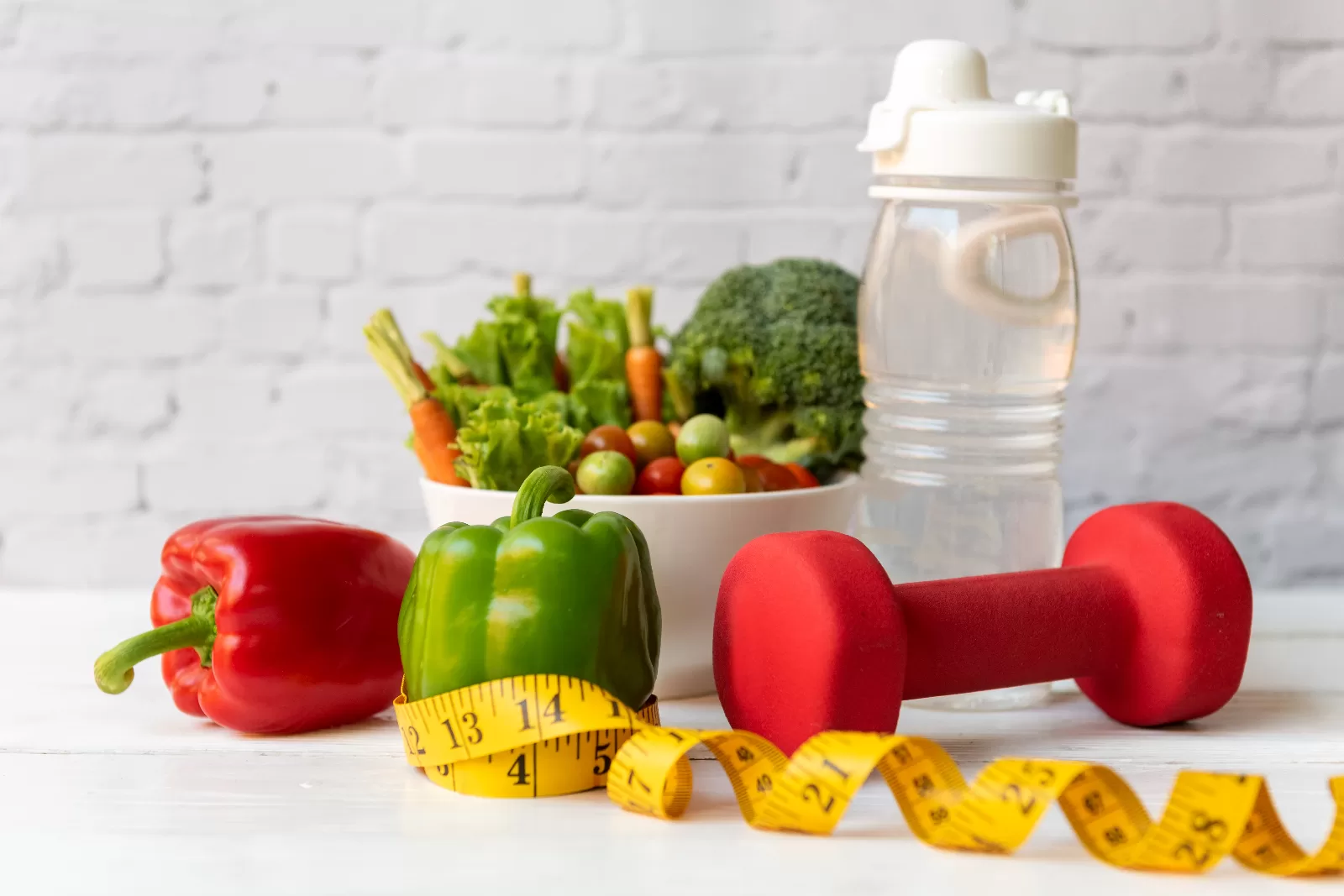
Polycystic Ovary Syndrome (PCOS) stems from underlying hormonal imbalances, particularly elevated insulin and androgen levels. Balancing these hormones naturally requires a low-glycemic Indian diet rich in fiber and protein, cortisol-friendly exercise, quality sleep, and target supplements like Myo-inositol and spearmint tea under proper medical guidance.
- Manage insulin resistance by replacing refined carbs with fiber-dense Indian grains like ragi, bajra, and whole pulses.
- Prioritize progressive strength training and moderate walking over intense cardio to avoid unnecessary cortisol spikes.
- Incorporate natural anti-androgenic options like spearmint tea and fenugreek seeds alongside evidence-based supplements.
- Focus on consistent sleep routines and daily stress reduction to support healthy progesterone and thyroid hormone levels.
Understanding the Hormonal Cascade in PCOS
Polycystic Ovary Syndrome (PCOS) is one of the most common endocrine disorders affecting Indian women of reproductive age. At its core, PCOS is not just an ovarian issue; it is a complex metabolic and hormonal condition. When your body experiences persistent chemical imbalances, it triggers a domino effect that impacts ovulation, menstrual regularity, skin health, weight maintenance, and emotional well-being.
To effectively manage PCOS, it helps to understand the key hormones involved in this condition:
- Insulin: A hormone produced by the pancreas to process sugar. Up to 70% of women with PCOS suffer from insulin resistance, where cells fail to respond efficiently to insulin. This causes the body to produce excess insulin, which signals the ovaries to secrete elevated levels of male hormones.
- Androgens (Testosterone): Often termed male hormones, androgens are naturally present in small quantities in females. In PCOS, hyperandrogenism causes distressing physical symptoms such as hirsutism (excessive facial and body hair), male-pattern hair thinning, and cystic acne along the jawline.
- Luteinizing Hormone (LH) and Follicle-Stimulating Hormone (FSH): An altered ratio of LH to FSH prevents ovarian follicles from maturing properly to release an egg, leading to anovulatory cycles, delayed periods, or multiple underdeveloped cysts on the ovaries.
- Cortisol: Known as the stress hormone, elevated cortisol directly impairs progesterone production and exacerbates blood sugar volatility, worsening PCOS symptoms.
Revamping the Indian Plate for Hormonal Harmony
Dietary modification forms the primary pillar of managing PCOS. Traditional Indian diets are often heavily carb-centric, relying on refined wheat flour (maida), white rice, and deep-fried snacks, which rapidly spike blood glucose levels. Transitioning to a balanced, low-glycemic Indian meal plan stabilizes insulin levels and encourages healthy hormone synthesis.
1. Swap Refined Carbohydrates for Complex Local Grains
You do not need to eliminate carbohydrates entirely; instead, focus on slow-digesting complex options that release glucose gradually into the bloodstream. Swap polished white rice and maida with nutritional powerhouses like ragi (finger millet), bajra (pearl millet), jowar (sorghum), brown rice, and quinoa. These grains are packed with dietary fiber, which slows down digestion and keeps insulin levels steady throughout the day.
2. Build Every Meal Around Protein
Protein is crucial for muscle repair, satiety, and hormone stabilization. Indian vegetarian diets frequently fall short of adequate daily protein intake. Ensure every main meal includes a reliable protein source, such as:
- Paneer or Tofu: Excellent options for stir-fries, curries, or salads.
- Sprouts and Pulses: Moong, rajma, chana, and black-eyed peas prepared with minimal oil.
- Dairy and Alternatives: Greek yogurt or fresh unsweetened dahi rich in natural probiotics.
- Non-Vegetarian Options: Eggs, grilled chicken, and fish like mackerel or sardines, which are abundant in omega-3 fatty acids.
3. Integrate Healthy Fats and Seed Cycling
Hormones are synthesized from healthy fats and cholesterol. Incorporate moderate quantities of pure desi ghee, mustard oil, cold-pressed coconut oil, and crushed seeds into your daily diet. Many clinical nutritionists recommend seed cycling to naturally regulate estrogen and progesterone balance during different phases of your menstrual cycle:
- Follicular Phase (Days 1 to 14): Consume 1 tablespoon each of raw organic flaxseeds and pumpkin seeds daily to support healthy estrogen metabolism.
- Luteal Phase (Days 15 to 28): Consume 1 tablespoon each of sunflower seeds and sesame seeds daily to encourage progesterone production and ease PMS symptoms.
Smart Movement: Exercise Without Spiking Cortisol
Physical activity plays an indispensable role in boosting insulin sensitivity and helping the body utilize glucose efficiently. However, the type and intensity of your workout matter significantly when dealing with PCOS.
Why Excessive High-Intensity Cardio Can Backfire
Engaging in relentless high-intensity interval training (HIIT) or extreme cardio routines without adequate recovery triggers high levels of cortisol. When cortisol remains chronically elevated, your body enters a high-stress mode, compounding insulin resistance and disrupting progesterone production. This can leave you feeling perpetually fatigued and frustrated by stagnant weight loss.
Effective Workout Routines for PCOS
Focus on balanced, sustainable physical routines that build lean muscle mass while keeping stress levels low:
- Progressive Strength Training: Lifting weights or performing bodyweight exercises 3 to 4 times a week builds active muscle tissue. Muscle tissue acts as a storage tank for glucose, dramatically improving insulin sensitivity.
- Brisk Walking: Aim for 8,000 to 10,000 steps daily. Taking a brisk 15-minute walk immediately after major meals is proven to attenuate post-meal blood sugar spikes.
- Yoga and Breathwork: Classical Indian yoga poses such as Baddha Konasana (Butterfly Pose), Bhujangasana (Cobra Pose), and Supta Baddha Konasana stimulate circulation in the pelvic region, relieve menstrual cramps, and regulate the autonomic nervous system.
Evidence-Backed Kitchen Remedies and Supplements
While whole foods form the base, specific natural ingredients and medical supplements can accelerate recovery and hormonal balance when integrated mindfully.
1. Spearmint Tea for Excessive Hair Growth
Spearmint tea has demonstrated remarkable anti-androgenic properties in multiple clinical trials. Drinking 1 to 2 cups of pure spearmint tea daily helps reduce circulating free testosterone levels, which over time helps manage hirsutism, facial hair growth, and hormonal acne.
2. Fenugreek (Methi) Seeds for Blood Glucose Regulation
Methi seeds are rich in soluble fiber and compounds that improve insulin action. Soak a teaspoon of fenugreek seeds in water overnight and consume both the water and softened seeds on an empty stomach every morning to support glycemic control.
3. Targeted Nutritional Supplementation
Nutritional deficiencies are exceptionally common among urban Indian women. Under the guidance of your doctor or endocrinologist, consider testing for and supplementing the following:
- Myo-Inositol and D-Chiro-Inositol: A 40:1 ratio blend of these compounds has been shown to improve insulin sensitivity, promote spontaneous ovulation, and enhance egg quality.
- Vitamin D3: A vast majority of Indian women suffer from low Vitamin D levels, which directly correlates with menstrual irregularities and metabolic dysfunction.
- Omega-3 Fatty Acids: Helps lower systemic inflammation, reduce high triglycerides, and alleviate hormonal mood swings.
Prioritizing Sleep and Stress Management
You cannot cure a systemic hormonal imbalance if your body is deprived of rest. Sleep deprivation increases ghrelin (the hunger hormone) while decreasing leptin (the fullness hormone), leading to intense cravings for sugary and refined comfort foods.
Aim for 7 to 8 hours of undisturbed sleep each night. Establish a consistent night routine by turning off electronic screens 60 minutes before bed, keeping your bedroom dark and cool, and avoiding heavy meals late at night. Additionally, daily stress reduction techniques such as deep belly breathing, meditation, or spending time outdoors can prevent cortisol spikes from derailing your progress.
When to Consult a Medical Specialist
While lifestyle adjustments are transformative, PCOS management requires periodic medical oversight. Schedule a comprehensive consultation with a gynecologist or endocrinologist if you experience:
- Absence of periods for more than 3 consecutive months.
- Unusually heavy or prolonged menstrual bleeding.
- Severe depression, anxiety, or dramatic mood shifts.
- Difficulty conceiving after trying naturally for 6 to 12 months.
Your doctor may order targeted blood panels (including fasting insulin, AMH, thyroid profile, prolactin, and total testosterone levels) and pelvic ultrasounds to tailor a safe, effective, and individualized treatment plan alongside your lifestyle adjustments.
Frequently asked questions
Can PCOS be permanently cured through diet and lifestyle changes?
PCOS cannot be permanently 'cured' in a medical sense, but its symptoms can be successfully driven into complete, long-term remission through consistent lifestyle modifications, healthy diet, stress management, and medical guidance.
Should I completely stop eating rice and rotis if I have PCOS?
No, you do not need to eliminate carbohydrates entirely. Simply replace refined white rice and maida with complex, high-fiber options like ragi, bajra, jowar, and brown rice, while practicing strict portion control and pairing them with protein.
How long does it take to balance hormones and regularize periods naturally?
Most women begin noticing visible improvements in energy levels, digestion, and skin health within 4 to 8 weeks. However, regularizing periods and seeing significant reductions in hirsutism typically takes 3 to 6 months of sustained lifestyle effort.
Is spearmint tea safe to consume daily for hirsutism?
Yes, drinking 1 to 2 cups of pure spearmint tea daily is generally safe for most women and acts as a natural anti-androgen. However, pregnant women or individuals with severe acid reflux should consult their doctor before regular use.
Sources
- ACOG — reference — ACOG
- NIH — reference — NIH
- Mayo Clinic — reference — Mayo Clinic
This article is for general information and education only and is not medical advice. Always consult a qualified healthcare professional about your situation.