

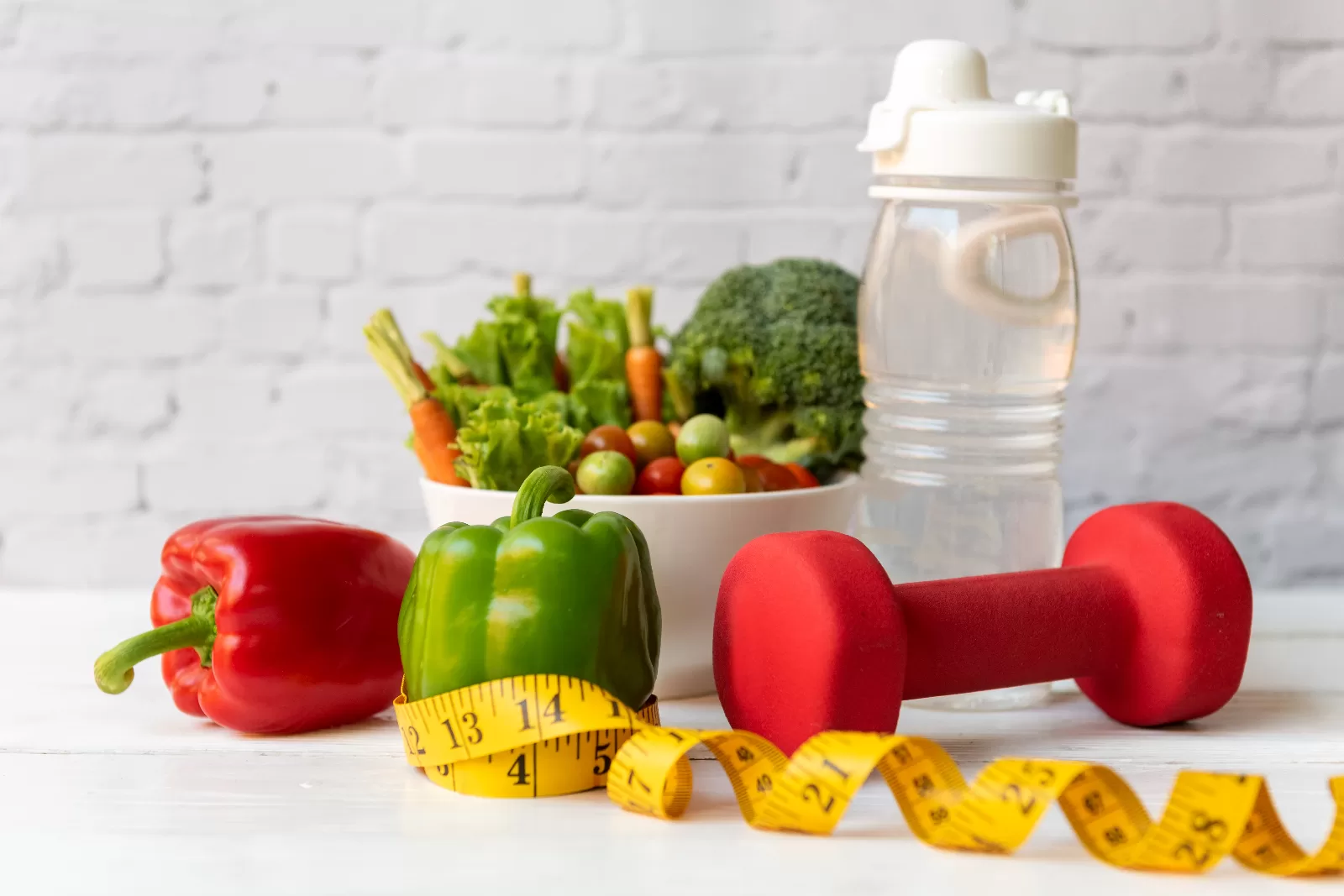
Polycystic Ovary Syndrome (PCOS) is frequently driven by chronic low-grade inflammation, which disrupts hormone signals, worsens insulin resistance, and elevates androgen levels. Reducing inflammation through an anti-inflammatory Indian diet rich in spices like turmeric, gut-friendly foods, regular moderate movement, and stress management helps restore ovulation and alleviate stubborn PCOS symptoms.
- Low-grade chronic inflammation stimulates ovaries to produce excess testosterone, worsening acne, hair growth, and cycle irregularities.
- Everyday Indian ingredients like turmeric (haldi), ginger, cinnamon, flaxseeds, and leafy greens act as potent natural anti-inflammatory agents.
- Refined flour (maida), industrial seed oils, high-sugar snacks, and chronic stress trigger inflammatory pathways and insulin spikes.
- Moderate movement like brisk walking, strength training, and yoga reduces inflammatory cytokines without spiking stress hormones.
The Hidden Link Between PCOS and Chronic Inflammation
When most women in India receive a Polycystic Ovary Syndrome (PCOS) diagnosis, the conversation immediately turns to irregular periods, weight gain, and ovarian cysts. However, a crucial underlying engine driving these symptoms often gets overlooked: chronic low-grade inflammation. Unlike acute inflammation—which is your immune system's localized response to an injury like a cut or a burn—chronic low-grade inflammation is a subtle, systemic flare-up where the immune system remains persistently activated at a low level throughout the body.
Medical research increasingly views PCOS not merely as a reproductive disorder, but as a complex metabolic and inflammatory condition. In women with PCOS, white blood cells produce higher levels of inflammatory proteins called cytokines. These circulating inflammatory molecules interfere with normal cellular signalling, preventing insulin receptors from working efficiently. As a result, your body demands higher amounts of insulin to clear sugar from the bloodstream, triggering a cascade of hormonal chaos.
How Inflammation Elevates Androgen Levels
High circulating levels of both insulin and inflammatory cytokines directly stimulate the theca cells in your ovaries to produce excess androgens (male hormones like testosterone). Excess androgen production leads to classic PCOS manifestations: stubborn cystic acne along the jawline, hirsutism (unwanted facial and body hair), thinning on the scalp, and anovulatory cycles. Furthermore, chronic inflammation impairs the maturation of ovarian follicles, preventing regular egg release and making natural conception challenging for many Indian women.
Spotting the Signs of Inflammatory PCOS
While nearly all women with PCOS exhibit some degree of systemic inflammation, certain clinical signs suggest that inflammatory pathways are the primary driver of your condition. Identifying these signals helps tailor your lifestyle interventions for maximum effectiveness.
Common Symptoms of High Systemic Inflammation
If inflammation is running rampant in your body, you may experience a cluster of physical symptoms that extend far beyond your menstrual cycle:
- Persistent Unexplained Fatigue: Feeling continuously drained, sluggish, or suffering from brain fog even after an eight-hour night of sleep.
- Skin Disruptions: Recurrent painful cystic acne along the jaw and neck, rosacea, skin tags, or patches of velvety dark skin (acanthosis nigricans) around the neck and underarms.
- Digestive Distress: Frequent bloating, gas, acidity, or irregular bowel habits indicating underlying gut dysbiosis.
- Joint and Muscle Aches: Waking up with morning stiffness or general joint pain that cannot be linked to physical overexertion.
- Sluggish Weight Loss: Inability to lose visceral abdominal weight despite maintaining a balanced caloric intake.
To confirm high inflammation, clinical testing can be conducted under the guidance of a physician. A high-sensitivity C-reactive protein (hs-CRP) blood test, fasting insulin test, and lipid profile offer valuable insights into your body's systemic inflammatory burden.
The Anti-Inflammatory Indian Kitchen: Foods That Heal
Indian culinary tradition is packed with potent therapeutic herbs, spices, and nutrient-dense whole foods. By making intentional shifts in your everyday kitchen choices, you can actively damp down systemic inflammatory pathways while supporting hormone balance.
Key Anti-Inflammatory Staples to Include
Reclaiming your metabolic health begins with stocking your pantry with anti-inflammatory powerhouses easily available across Indian markets:
- Turmeric (Haldi): Rich in curcumin, a potent polyphenol that blocks key inflammatory pathways. Always pair turmeric with a pinch of black pepper (piperine) and a healthy fat like cow ghee to boost cellular absorption significantly.
- Ginger (Adrak): Contains gingerols and shogaols, active compounds that inhibit pro-inflammatory prostaglandin synthesis. Fresh ginger tea or grated ginger in cooked lentils helps soothe digestion and reduce cellular stress.
- Omega-3 Rich Seeds: Flaxseeds (alasi), chia seeds, and walnuts provide alpha-linolenic acid (ALA), which counteracts pro-inflammatory omega-6 fatty acids common in modern diets. Aim for one tablespoon of freshly ground flaxseeds daily in warm water or buttermilk.
- Traditional Spices: Ceylon cinnamon (dalchini), fenugreek (methi) seeds, cumin (jeera), and coriander (dhaniya) seeds help stabilize post-meal blood sugar spikes while soothing systemic inflammation.
- Fiber-Rich Pulses and Whole Grains: Whole legumes like green moong, chana, rajma, and ancient grains like millets (jowar, bajra, ragi) supply soluble fiber that feeds beneficial gut microbes, producing short-chain fatty acids that suppress system-wide inflammation.
- Dark Leafy Greens: Spinach (palak), fenugreek leaves (methi), amaranth (chaulai), and mustard greens (sarson) provide essential magnesium, folate, and antioxidants that neutralize oxidative stress.
Dietary Triggers That Fuel PCOS Inflammation
Just as powerful foods can cool down inflammation, certain dietary patterns act like fuel on a fire. Modern Indian urban diets have shifted heavily toward ultra-processed convenience foods, refined carbohydrates, and unhealthy fats, all of which trigger metabolic stress.
Foods to Limit or Eliminate
To lower your inflammatory burden, reduce your intake of these common inflammatory dietary triggers:
- Refined Flours and Sugars: Maida-based breads, bakery items, biscuits, mithai, packaged snacks, and sweetened beverages cause rapid spikes in blood glucose. These spikes trigger insulin surges and increase the release of inflammatory free radicals.
- Industrial Seed and Vegetable Oils: Refined soybean oil, sunflower oil, cottonseed oil, and palm oil are excessively high in pro-inflammatory omega-6 fatty acids and prone to oxidation during high-heat cooking. Opt for traditional cold-pressed oils like mustard, sesame, groundnut, or pure cow ghee in moderation.
- Deep-Fried and Ultra-Processed Foods: Street snacks fried in repeatedly heated oils contain trans fats and advanced glycation end-products, which damage cellular linings and spark immune activity.
- Sensitivity-Inducing Foods: Dairy products (specifically high-A1 milk) and gluten may exacerbate gut permeability and inflammation in a subset of women with PCOS. Consider an elimination approach for three weeks to evaluate whether your digestion and skin improve without them.
Lifestyle Strategies to Calm Your Immune System
Addressing inflammation requires more than dietary changes alone. Lifestyle factors such as sleep deprivation, chronic stress, and environmental toxins directly influence your body's immune messaging.
Managing Stress and Cortisol
When you experience chronic mental or emotional stress—whether from long work hours, family demands, or social pressures—your adrenal glands release excess cortisol. Chronically elevated cortisol alters immune system function, rendering cells resistant to hormonal signaling and driving sustained inflammation. Incorporating daily stress-reduction practices like Pranayama (deep breathing exercises), Yoga Nidra, or twenty minutes of mindfulness can significantly lower morning cortisol levels.
Optimizing Sleep Hygiene
Inadequate sleep is a major catalyst for systemic inflammation. Restricting sleep to under six hours per night raises circulating levels of inflammatory markers like interleukin-6 and tumor necrosis factor-alpha. Aim for seven to eight hours of consistent, restorative sleep nightly. Keep your bedroom cool, dark, and free from electronic blue light at least one hour before bedtime.
Choosing Smart Exercise Over Excessive Cardio
Exercise is a natural anti-inflammatory treatment, but intensity matters. Overtraining through exhausting high-intensity cardio without sufficient recovery elevates cortisol and worsens systemic inflammation. Instead, focus on low-impact exercise routines like brisk walking in nature, progressive strength training three times a week, and gentle restorative yoga. Strength training improves muscular insulin sensitivity without overtaxing your adrenal glands.
Building a Practical Anti-Inflammatory Daily Routine
Creating long-term health requires simple, repeatable daily habits. Here is an actionable structure tailored for busy Indian women seeking to tame PCOS inflammation naturally.
Morning Routine
Start your day with a glass of warm water containing a pinch of turmeric, black pepper, and a few drops of lemon juice or a teaspoon of soaked methi seeds. Follow this with a twenty-minute brisk walk in early morning sunlight to support your circadian rhythm and boost natural vitamin D production.
Balanced Meals
Structure your main meals around a balanced plate method: half your plate dedicated to non-starchy vegetables or cooked greens, one-quarter to quality protein (paneer, cooked sprouts, dal, eggs, or fish), and one-quarter to complex carbohydrates (jowar roti, red rice, or quinoa). Include a spoonful of homemade fermented curd or fresh buttermilk to nourish your gut microbiome.
Evening Wind-Down
In the evening, sip on warm ginger or chamomile tea instead of caffeinated chai. Turn off screens early, practice ten minutes of Anulom Vilom pranayama, and prioritize getting to sleep early to align with your body's natural cellular repair cycle.
Frequently asked questions
How do I know if my PCOS is driven by inflammation?
Common signs include persistent fatigue, joint pain, digestive issues, skin flares like cystic acne, and difficulty losing weight despite eating well. Your doctor can test blood markers like high-sensitivity C-reactive protein (hs-CRP) to assess systemic inflammation.
Can turmeric (haldi) help reduce PCOS inflammation?
Yes, curcumin, the active compound in turmeric, possesses strong anti-inflammatory and antioxidant properties. Pairing turmeric with black pepper and a healthy fat like ghee improves absorption and helps reduce insulin resistance and inflammatory markers in PCOS.
Is dairy inflammatory for everyone with PCOS?
Dairy affects women differently. While some women tolerate home-set curd (dahi) and paneer well, others experience increased acne and bloating due to dairy proteins or hormones. Trying a temporary elimination test under guidance can clarify your personal trigger.
What is the best type of exercise to lower PCOS inflammation?
Low-to-moderate intensity workouts such as brisk walking, progressive strength training, yoga, and pilates are ideal. Heavy high-intensity interval training without adequate recovery can elevate cortisol, potentially worsening systemic inflammation.
Sources
- ACOG — reference — ACOG
- NIH — reference — NIH
- Mayo Clinic — reference — Mayo Clinic
This article is for general information and education only and is not medical advice. Always consult a qualified healthcare professional about your situation.