

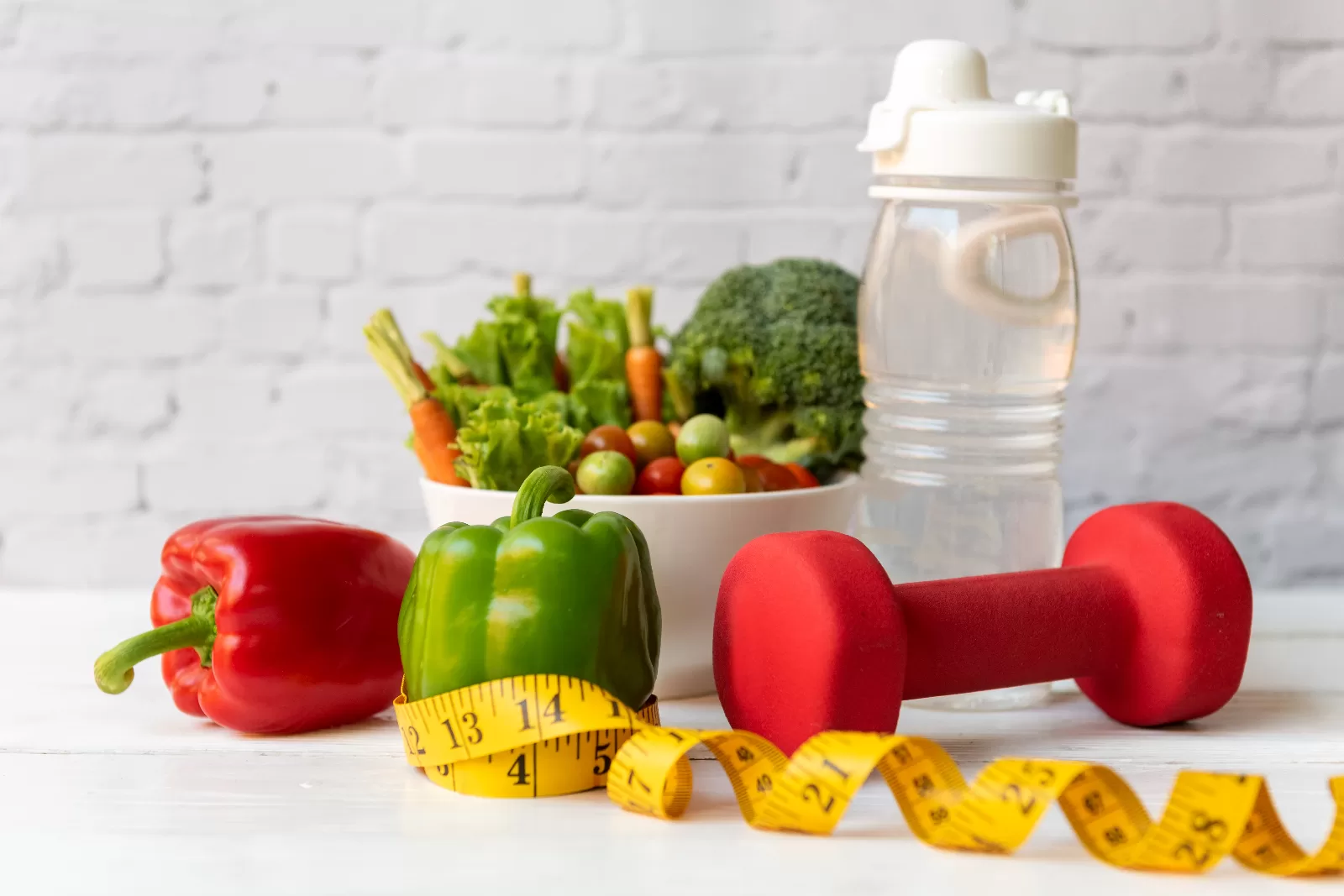
PCOS cravings are primarily driven by insulin resistance and hormonal imbalances, not a lack of willpower. When insulin levels spike, blood sugar crashes, triggering intense urges for refined carbohydrates and sugar. Managing these cravings requires balancing Indian meals with protein, fiber, and healthy fats, alongside stress management and regular movement.
- PCOS cravings stem from insulin resistance and hormone fluctuations, making them biological rather than a self-control issue.
- Pair traditional carbohydrates like chapatis and rice with high-protein sources such as paneer, sprouts, eggs, or dal to prevent sugar spikes.
- Prioritize 7–8 hours of sleep and stress reduction, as high cortisol directly amplifies sweet and carb cravings.
- Smart Indian food swaps, like choosing roasted makhana or spiced dahi over bakery snacks, help stabilize blood glucose naturally.
Why PCOS Makes You Crave Sugar and Carbs
If you find yourself constantly thinking about gulab jamun after dinner, or feel an irresistible urge for a hot samosa at 4 PM, know that you are not lacking discipline. Polycystic Ovary Syndrome (PCOS) is a metabolic and hormonal condition, and intense cravings are a direct biological response to internal imbalances. Understanding why your body demands quick energy is the first step toward regaining control without guilt.
Insulin Resistance: The Main Culinary Culprit
Up to 80% of women with PCOS suffer from insulin resistance, regardless of their body weight. Insulin is the hormone responsible for taking glucose from the blood and moving it into cells for energy. When your body becomes resistant to insulin, the pancreas responds by producing even more of it. High levels of circulating insulin prevent your body from accessing stored fat for fuel, while simultaneously dropping your blood sugar rapidly after meals.
This rapid drop tricks your brain into thinking you are starving. The brain demands fast-acting energy, which translates into urgent cravings for simple carbohydrates and refined sugars like white rice, biscuits, maida, and sweets. It is a physiological panic response, not a failure of willpower.
Cortisol and the Stress-Craving Loop
Women with PCOS frequently experience elevated baseline cortisol levels, the body's primary stress hormone. Chronic stress, whether from busy work days, lack of sleep, or anxiety about health, signals the body to prepare for emergency action. Cortisol mobilizes glucose into the bloodstream, triggering intense hunger once those immediate sugar reserves drop.
In Indian households, stress is often accompanied by comfort foods rich in trans fats and simple carbohydrates. When elevated cortisol combines with insulin resistance, your appetite hormones—leptin (which signals fullness) and ghrelin (which signals hunger)—get completely disrupted, making you feel perpetually unsated.
How to Structure Indian Meals to Tame PCOS Cravings
Traditional Indian diets are rich in grains and lentils, but can easily become carbohydrate-heavy if not balanced intentionally. A breakfast of simple poha, upma, or plain white bread toast causes a sharp glucose spike followed by a crash, guaranteeing intense midday cravings.
The Golden Plate Method for Indian Diets
To keep blood sugar stable and prevent cravings before they start, structure your lunch and dinner plates using a simple balance formula:
- Half your plate: Fiber-rich vegetables. Fill half your meal with cooked non-starchy sabzis like bhindi, lauki, palak, methi, capsicum, or fresh salad like cucumber, tomatoes, and radish.
- One-quarter of your plate: Lean protein. Ensure every meal contains high-quality protein such as paneer, boiled eggs, grilled chicken, sprouts, fish, or sattu. While dal is a staple, remember that lentils contain both carbohydrates and protein, so pair them with additional protein sources like curd or paneer.
- One-quarter of your plate: Complex carbohydrates. Swap refined grains for complex choices. Choose multigrain roti, jowar or bajra roti, red rice, or brown rice in controlled portions instead of refined maida or polished white rice.
- A touch of healthy fats: Add a teaspoon of pure ghee, mustard oil, seeds, or a small bowl of full-fat dahi. Healthy fats slow down digestion and prolong feeling full.
Smart Swaps for Daily Staples
Making small adjustments to daily favorites can drastically improve insulin sensitivity. Instead of plain semolina upma, create a vegetable-heavy oats or quinoa upma. Replace regular wheat rotis with a blend of wheat flour and chickpea flour (besan) in a 1:1 ratio. This simple shift doubles the fiber and protein content, smoothing out post-meal glucose spikes.
Managing Evening Hunger: The 4 PM Snack Strategy
The window between lunch and dinner—typically around 4:00 PM to 6:00 PM—is when PCOS cravings hit hardest. Energy levels dip, cortisol spikes, and the customary cup of sweetened milk tea with biscuits becomes tempting. Re-engineering this time slot is essential for long-term hormonal balance.
Beating the 'Chai and Biscuit' Trap
Commercial biscuits, rusk, and bakery items contain refined flour, hidden sugars, and palm oil, all of which worsen insulin resistance. If you enjoy evening tea, switch to unsweetened masala chai or green tea paired with unsweetened almond milk or toned cow's milk. Always pair your beverage with a protein or fiber-rich snack to buffer digestion.
Satisfying Savory and Sweet Tooth Cravings
Having healthy, convenient alternatives ready prevents impulse eating. Try incorporating these nourishing Indian options:
- Roasted Makhana: Toss fox nuts in a teaspoon of ghee with turmeric, black pepper, and rock salt for a crunchy, low-glycemic snack.
- Sprouted Moong Chaat: Mix steamed moong sprouts with chopped onion, cucumber, lemon juice, and chaat masala for high-protein satisfaction.
- Roasted Chana and Seeds: Keep a mix of roasted Bengal gram, pumpkin seeds, and sunflower seeds handy in your bag or work desk.
- Cinnamon Dahi Bowl: Stir a pinch of cinnamon powder into fresh thick curd. Cinnamon has natural insulin-sensitizing properties and aids in curbing sweet cravings.
- Chia Seed Pudding: Soak chia seeds in unsweetened almond milk with a drop of vanilla extract and top with a few almonds and walnuts for a soothing evening dessert.
Lifestyle Tweaks to Regulate Appetite Hormones
Diet alone cannot resolve PCOS cravings if your daily lifestyle keeps your body in a state of hormonal distress. Sleep deprivation and passive routines directly amplify hunger signals.
Restorative Sleep and Sleep Hygiene
Sleeping less than seven hours per night lowers leptin levels and boosts ghrelin, making you feel significantly hungrier the next day. Poor sleep also impairs glucose tolerance, exacerbating insulin resistance. Establish a consistent sleep schedule by turning off screens an hour before bed, maintaining a dark room, and drinking warm chamomile tea or golden milk (haldi doodh) without added sugar.
Movement That Helps Without Exhausting You
Extremely intense cardio workouts can elevate cortisol, triggering severe hunger post-workout. Instead, prioritize strength training and daily low-intensity movement:
- Post-Meal Walks: A 10 to 15 minute gentle walk right after lunch and dinner allows muscles to absorb circulating glucose without requiring excessive insulin.
- Resistance Training: Building lean muscle tissue increases the body's baseline glucose uptake, improving overall metabolic speed. Aim for 3 days of resistance or bodyweight exercises weekly.
Supplements and Medical Options for Stubborn Cravings
When dietary adjustments and lifestyle shifts are not enough to curb overwhelming urges, targeted supplementation and medical guidance can offer necessary support.
Science-Backed Supplements Available in India
Several nutritional supplements have strong clinical evidence supporting their ability to restore insulin sensitivity and mitigate cravings in PCOS management:
- Myo-Inositol and D-Chiro Inositol: A 40:1 ratio blend of these B-vitamin-like compounds mimics insulin signaling, improving egg quality and significantly curbing carbohydrate cravings.
- Chromium Picolinate: This essential trace element helps regulate blood sugar spikes by enhancing insulin action.
- Magnesium Glycinate: Magnesium plays a vital role in glucose metabolism and nervous system relaxation, reducing stress-induced sugar cravings before bedtime.
- Berberine: Known as a natural compound with effects similar to blood-sugar-regulating medication, berberine improves insulin sensitivity and gut health.
When to Consult an Endocrinologist
If your cravings remain uncontrollable and are accompanied by rapid weight gain, severe fatigue after meals, or dark velvety patches on skin folds (acanthosis nigricans), consult a gynecologist or endocrinologist. Medications like Metformin may be prescribed to improve insulin function and normalize metabolic signals effectively.
Frequently asked questions
Why do I crave sweets late at night with PCOS?
Nighttime sweet cravings often result from insufficient protein or total calories during dinner, elevated cortisol levels from evening stress, or blood sugar drops following a high-carbohydrate evening meal.
Can I completely eliminate sugar to stop PCOS cravings?
Completely eliminating sugar often leads to intense binge cycles. Instead, focus on reducing refined sugars gradually, using natural spice enhancers like cinnamon, and pairing sweet treats with protein and fat.
Is jaggery or honey better than white sugar for PCOS?
While jaggery and honey contain minor trace minerals, they cause blood sugar spikes similar to refined white sugar. Consume them sparingly and always pair them with protein or fiber to minimize insulin spikes.
How long does it take for PCOS cravings to stop after changing my diet?
Most women notice a significant reduction in intense cravings within 2 to 3 weeks of consistently balancing meals with adequate protein, fiber, and healthy fats, alongside improving sleep hygiene.
Sources
- ACOG — reference — ACOG
- NIH — reference — NIH
- Mayo Clinic — reference — Mayo Clinic
This article is for general information and education only and is not medical advice. Always consult a qualified healthcare professional about your situation.