

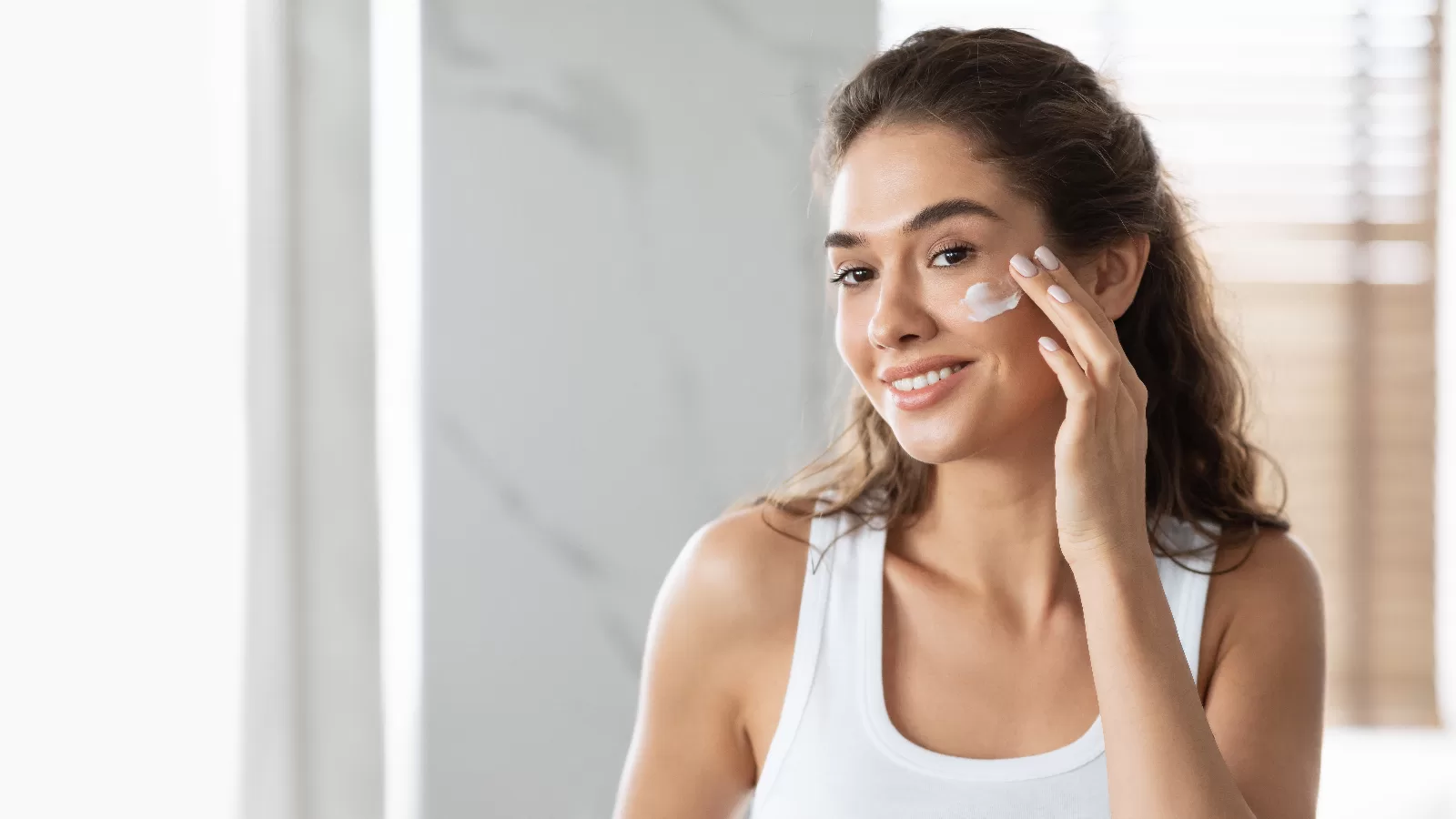
Mastering color matching for Indian skin tones starts with identifying your undertone—warm, cool, or neutral. Always test foundations on your jawline in natural daylight, match lip and cheek shades to your undertone, and pick clothing colors like deep jewel tones or rich earth shades that flatter your unique complexion.
- Identify your undertone using the vein test, sun reaction, and jewelry preference adapted for South Asian skin.
- Test foundation along your jawline in natural sunlight, never under store lighting, to prevent ashiness.
- Address hyperpigmentation with peach or orange correctors before selecting your true foundation shade.
- Choose clothing and makeup hues that harmonize with your undertone—rich jewel tones and warm browns generally excel on Indian skin.
1. Understanding Indian Skin Tones and Undertones
Finding the perfect color palette for your makeup, clothing, and hair begins with understanding the difference between your surface skin tone and your undertone. Surface tone refers to the apparent shade of your skin—fair, wheatish, dusky, or deep brown—which can fluctuate due to sun exposure, tanning, or seasonal changes. Undertone, however, is the subtle hue beneath your skin’s surface that remains constant throughout your life.
Indian complexions are exceptionally diverse, ranging from porcelain fair with pink hues to rich cocoa with deep warm notes. However, a widespread misconception is that all South Asian skin automatically has a yellow or golden undertone. In reality, Indian complexions encompass warm, cool, neutral, and prominent olive undertones.
The Vein, Sun, and Jewelry Tests
To accurately identify your undertone, try these standard checks under clear, natural morning daylight:
- The Vein Test: Look at the veins on the inside of your wrist. If they appear distinctly green, you likely have a warm undertone. If they look blue or purplish, you have a cool undertone. If your veins look bluish-green or match your skin shade, you probably have a neutral or olive undertone.
- The Sun Reaction Test: How does your skin react to the intense Indian sun? If you tan easily without burning, you lean toward a warm or olive undertone. If your skin burns, turns red, or freckles quickly before tanning, you have a cool undertone.
- The Jewelry Test: Hold a piece of polished yellow gold jewelry and bright silver jewelry against your bare face. If classic gold illuminates your face while silver looks dull, you are warm-toned. If silver gives you a healthy radiance while gold feels overwhelming, you are cool-toned. If both look equally flattering, you are neutral.
The Prevalent Olive Undertone in South Asian Skin
Olive skin is extremely common across the Indian subcontinent but is frequently misdiagnosed. Olive skin contains a muted greenish or greyish cast mixed with subtle yellow undertones. If standard golden foundations turn surprisingly yellow or orange on you, and cool pink shades turn grey or chalky, you almost certainly have an olive undertone. Recognizing this cast is crucial for selecting seamless foundation shades and flattering lip colors.
2. Finding Your Perfect Foundation and Concealer Match
The most common beauty complaint among Indian women is that foundation looks ashy, grey, or muddy after a few hours. This usually happens due to wrong undertone selection, oxidized formulas, or attempting to lighten skin rather than matching it.
Testing Shade on the Jawline in Natural Daylight
Never test foundation on the back of your wrist or your hand; the skin there is significantly darker or lighter than your face. Instead, apply three swatches of foundation side-by-side along your lower jawline, extending slightly down onto your upper neck:
- One shade that matches your target skin tone with a warm undertone.
- One shade with a neutral/olive undertone.
- One shade slightly lighter or cooler.
Step outside the retail store into natural daylight. The correct shade will completely disappear into your skin, creating a seamless transition between your face and neck. Allow the swatches to sit for at least twenty minutes to check if the formula oxidizes into a darker shade upon exposure to air and natural skin oils.
Color Correcting Hyperpigmentation Before Matching
Many Indian women experience localized hyperpigmentation around the mouth, chin, under the eyes, and forehead. If you apply a single shade of foundation over dark patches, the darker areas will turn grey.
The solution is targeted color correction before foundation application. Apply a light dab of peach corrector for mild darkness on lighter skin tones, or an orange corrector for deeper hyperpigmentation on dusky and brown complexions. Neutralize the dark areas first, lightly powder them, and then apply a foundation shade that matches your unaffected cheek or jawline tone. This prevents the need to buy a darker foundation shade just to cover discoloration.
3. Lip and Blush Palette Selection for Every Complexion
Lipsticks and blushes hold the power to instantly brighten your countenance or make you appear tired and washed out. Matching these products relies entirely on coordinating their temperature with your natural undertones.
Nudes That Do Not Wash You Out
Finding the ideal nude lipstick is a common challenge for wheatish and dusky skin tones. Traditional pale peach or light beige nudes often create a washed-out, sickly appearance.
- For Warm and Olive Tones: Look for warm brown-based nudes, terracotta-tinted shades, deep caramel, or rich cinnamon. These harmonize with your natural golden pigments.
- For Cool and Neutral Tones: Opt for mauve-tinged nudes, soft dusty rose, or berry-tinted brown hues that provide subtle definition without dulling your complexion.
- Pro Tip: Outline your lips with a rich brown lip liner one or two shades darker than your skin tone before applying any nude lipstick to add structure and depth.
Statement Reds, Berries, and Blush Shades
Every Indian woman looks stunning in a bold lip, provided the temperature matches her skin:
- Cool Undertones: Choose blue-based reds, deep cranberry, plum, and cool raspberry shades. For blush, soft pinks, light berries, and mauve work beautifully.
- Warm Undertones: Choose warm brick reds, orange-infused scarlet, warm coral, and burnt terracotta. For blush, warm peach, apricot, and rich warm orange look extraordinarily glowing.
- Dusky and Deep Tones: Deep wine, oxblood, magenta, and rich chocolate reds offer show-stopping contrast. Deep terracotta, warm bronze, and bright magenta blushes provide a youthful blush on deeper skin.
4. Clothing Color Matching for Festive and Daily Wear
Whether you are selecting a saree for a wedding, a kurta for daily office wear, or contemporary western outfits, matching fabric colors to your skin undertone elevates your entire appearance effortlessly.
Jewel Tones vs. Pastels
Indian complexions are world-renowned for looking sensational in vibrant, deep jewel tones. Shades like emerald green, royal sapphire blue, deep ruby red, mustard yellow, and royal purple contrast striking with South Asian skin tones, highlighting natural warmth and vitality.
If you prefer soft pastel shades, select them with care. Cool pastels like icy mint, stark lavender, or pale chalky blue can make warm or olive skin look sallow or dull. Instead, choose warm pastels such as warm peach, soft coral, dusty rose, pale gold, or muted sage green that carry a touch of warmth.
Matching Ethnic Wear to Your Complexion
Festive ethnic wear involves intricate embroidery, zari work, and rich fabrics. Match metallic embellishments to your undertone for maximum elegance:
- Warm and Olive Skins: Antique gold, bronze, copper, and warm dull gold zari complement your complexion seamlessly. Bright mustard, raw turmeric yellow, deep rust, maroon, and bottle green sarees or lehengas enhance your natural golden glow.
- Cool Skins: Bright silver, platinum, white gold zari, and diamond embellishments look captivating. Choose royal blue, magenta, crisp white, emerald green, and cool crimson red for festive ensembles.
5. Eye Makeup and Hair Color Harmonies
Completing your overall color harmony involves coordinating your eye makeup and hair color choices with your overarching undertone profile.
Eyeshadow Palettes That Enhance Brown Eyes
Most South Asian women possess gorgeous dark brown, hazel, or deep black eyes. To make your eyes stand out:
- Warm Undertones: Choose bronze, copper, warm chocolate, warm gold, terracotta, and olive green shadows. These shades pick up the warm flecks in brown eyes.
- Cool Undertones: Opt for slate grey, plum, cool taupe, champagne, rose gold, and deep charcoal.
- Universal Winner: A precise swipe of rich black or deep brown kajal paired with warm bronze eyeshadow flatters every single Indian complexion regardless of tone.
Flattering Hair Color Tones
When coloring dark hair, drastic cool ash blonde hues often clash unnaturally with warm or olive Indian skin tones. Aim for warm, rich shades that blend smoothly into your natural dark base:
- Warm Skin: Warm dark chocolate brown, chestnut, cinnamon, honey brown highlights, or warm golden caramel balayage.
- Cool Skin: Cool espresso brown, dark plum, burgundy, mahogany, and cool jet black.
- Olive Skin: Deep dark brown, soft mocha, or subtle cinnamon highlights; avoid strong brassy or red undertones that exacerbate green skin casts.
Frequently asked questions
What's the most important thing about colour matching?
Start with the basics and build consistent habits that fit your life.
How long until I see results with colour matching?
It varies — small consistent steps add up over weeks and months.
When should I get professional help?
If your situation is complex or concerning, speak to a qualified professional.
Sources
- American Academy of Dermatology — reference — American Academy of Dermatology