

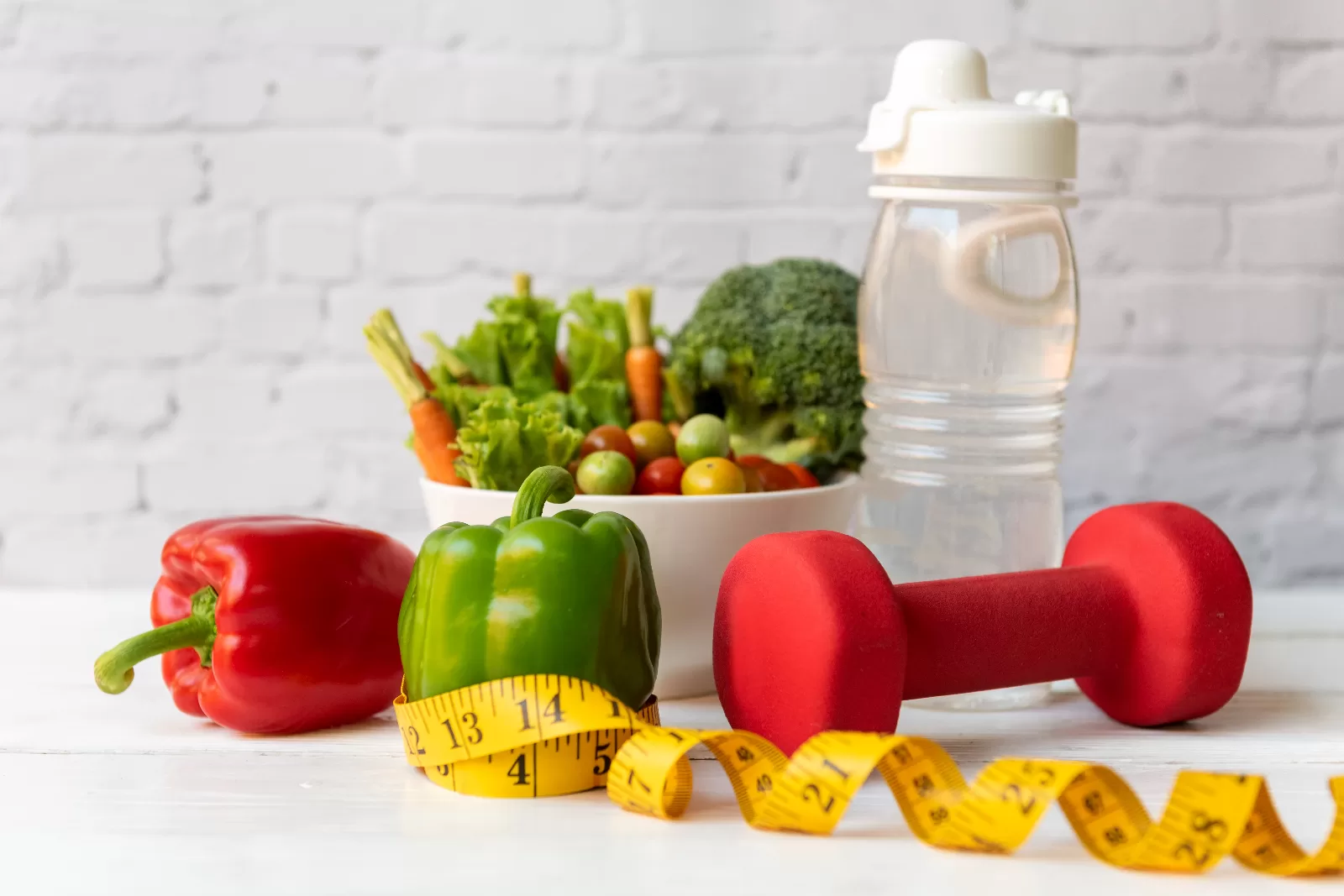
Managing PCOS effectively requires a balanced diet that improves insulin sensitivity and reduces inflammation. Swap refined carbs like maida and white rice for high-fiber millets, pulses, and vegetables. Pair every meal with protein and healthy fats, while limiting sugary mithais, fried snacks, and processed foods to regulate hormones naturally.
- Prioritize complex carbohydrates like jowar, bajra, and whole pulses over refined carbs like maida and white rice.
- Pair every meal with a protein source—such as paneer, sprouts, eggs, or lentils—to prevent insulin spikes.
- Integrate anti-inflammatory kitchen staples like turmeric, cinnamon, and soaked methi seeds into your daily routine.
- Limit deep-fried namkeens, packaged sugary drinks, and traditional sweet mithais that worsen hormonal imbalances.
Understanding the PCOS-Diet Connection in an Indian Context
Polycystic Ovary Syndrome (PCOS) affects nearly one in every five Indian women of reproductive age. Characterized by hormonal imbalances, irregular menstrual cycles, ovarian cysts, acne, stubborn weight gain, and facial hair growth, PCOS is fundamentally linked to metabolic function. At the root of most PCOS cases is hyperinsulinemia—a condition where the body produces excess insulin due to underlying insulin resistance. When your body cells become resistant to insulin, your pancreas pumps out even more of it. High circulating insulin levels signal the ovaries to produce excess androgen (male hormones), triggering classic PCOS symptoms.
In India, modern eating habits have increasingly leaned toward refined carbohydrates, deep-fried snacks, and hidden sugars. Traditional meals often over-index on simple starches—such as large portions of polished white rice, white bread, or maida-based rotis—with inadequate protein and fiber. This combination creates steep blood sugar spikes, aggravating insulin resistance and worsening hormonal turbulence. Restructuring your everyday Indian thali to stabilize blood sugar is the single most impactful strategy to manage PCOS, restore regular ovulation, and achieve long-term wellness.
PCOS-Friendly Foods: What to Include on Your Indian Thali
Managing PCOS does not require adopting expensive, unfamiliar Western health diets or giving up home-cooked Indian meals. Instead, it is about making intelligent upgrades to your plate by focusing on low-glycemic index (GI) foods, high fiber, quality lean protein, and anti-inflammatory spices that are readily available in Indian kitchens.
1. Complex Carbohydrates and High-Fiber Grains
Refined grains cause rapid spikes in blood sugar followed by energy crashes. Swapping them for complex carbohydrates ensures a slow, sustained release of glucose into your bloodstream. High-fiber foods also support gut health and assist the body in eliminating excess circulating estrogen.
- Millets: Replace white wheat and refined flour with traditional millets like Jowar (sorghum), Bajra (pearl millet), Ragi (finger millet), and Foxtail millet for your daily rotis or porridges.
- Whole Grains: Choose hand-pounded red rice, brown rice, whole wheat with added bran, or quinoa over polished white rice.
- Fiber-Dense Vegetables: Load half your plate with green leafy vegetables such as palak (spinach), methi (fenugreek leaves), and sarson (mustard greens), alongside vegetables like bhindi (okra), cauliflower, capsicum, and lauki (bottle gourd).
2. High-Quality Protein in Every Meal
Protein slows down gastric emptying, promoting satiety and preventing post-meal insulin spikes. Because standard Indian diets often lean heavy on carbohydrates, making an intentional effort to add protein to every meal is essential.
- Plant-Based Proteins: Include whole legumes and pulses such as rajma (kidney beans), chana (chickpeas), green moong dal, sprouted beans, and sattu (roasted gram flour).
- Dairy and Alternatives: Fresh homemade paneer, unflavored curd, hung curd, and tofu are excellent sources of protein and essential nutrients.
- Animal Proteins: If you eat non-vegetarian food, include whole eggs, lean chicken breast, and omega-3 rich fish like Indian mackerel (bangda), rohu, or sardines.
3. Anti-Inflammatory Healthy Fats and Seeds
Chronic, low-grade internal inflammation is a secondary driver of PCOS. Consuming healthy dietary fats provides the building blocks for proper hormone synthesis while reducing systemic inflammation.
- Nuts and Seeds: Incorporate soaked almonds, walnuts, flaxseeds, chia seeds, and pumpkin seeds into your routine. Pumpkin seeds are particularly rich in zinc, which helps curb excess androgen levels, hirsutism, and hormonal acne.
- Healthy Cooking Fats: Use cold-pressed mustard oil, groundnut oil, or sesame oil for everyday cooking. Pure desi ghee can be enjoyed in moderation (1-2 teaspoons daily) for its gut-nourishing butyric acid content.
4. Healing Indian Spices and Herbs
Indian spice boxes contain powerful medicinal compounds that natural remedy enthusiasts and clinical nutritionists alike praise for insulin sensitivity management.
- Dalchini (Cinnamon): Adding a pinch of Ceylon cinnamon to your morning tea or warm water helps improve insulin receptor sensitivity.
- Methi (Fenugreek Seeds): Soaking 1 teaspoon of fenugreek seeds overnight and drinking the water on an empty stomach helps regulate fasting blood glucose.
- Haldi (Turmeric) with Black Pepper: Curcumin in turmeric offers potent anti-inflammatory benefits that support ovarian cell repair.
- Spearmint Tea: Drinking pure spearmint tea daily has been shown to reduce elevated testosterone levels and lessen excess facial hair over time.
Foods to Limit or Avoid for Hormonal Balance
To keep insulin levels steady and lower inflammation, certain dietary triggers should be strictly minimized or avoided entirely.
1. Refined Carbohydrates and Maida Products
Refined flour has been stripped of its natural bran and fiber, causing immediate insulin surges. Avoid bakery items, white bread, naan, bhature, samosas, packaged biscuits, and instant noodles.
2. Sugary Beverages and Traditional Sweets
Refined white sugar causes extreme glycemic spikes. Avoid sweetened milk tea (chai with excess sugar), packaged fruit juices, carbonated soft drinks, energy drinks, and Indian mithais like gulab jamun, jalebi, and rasgulla.
3. Deep-Fried Foods and Trans Fats
Commercial deep-frying oils that are repeatedly reheated contain trans fats that trigger systemic inflammation and worsen insulin resistance. Limit street foods like pakoras, bhujia, commercial namkeens, and fast food.
4. Ultra-Processed Dairy Products
While plain homemade curd and fresh paneer are nutritious, ultra-processed dairy—such as flavored yogurts, processed cheese slices, condensed milk, and ice creams—contain added sugars and synthetic additives that can aggravate inflammatory skin breakouts.
Sample 1-Day Indian Meal Plan for PCOS Management
Here is a practical, balanced one-day meal outline tailored for Indian households:
- Early Morning (7:00 AM): 1 glass of warm methi water (soaked overnight) or 1 cup of freshly brewed spearmint tea, accompanied by 4 soaked almonds and 2 walnuts.
- Breakfast (8:30 AM): 2 Besan or Moong Dal Chelas stuffed with finely chopped vegetables and grated paneer, served with mint-coriander chutney; OR 1 bowl of vegetable oats poha with roasted peanuts.
- Mid-Morning (11:00 AM): 1 small bowl of fresh, low-GI fruit (such as guava, apple, or pomegranate) sprinkled with 1 teaspoon of ground flaxseeds.
- Lunch (1:30 PM): 1 Jowar or Bajra roti + 1 bowl of cooked dal (chana or sprouted moong) + 1 bowl of seasonal vegetable sabzi + 1 small bowl of fresh homemade curd + fresh salad (cucumber and beetroot).
- Evening Snack (5:00 PM): 1 cup of green tea or cinnamon tea + 1 small bowl of dry-roasted makhana (foxnuts) or roasted chana.
- Dinner (8:00 PM): A light dinner eaten early: Grilled paneer or chicken with stir-fried vegetables, OR 1 small millet roti with a bowl of vegetable soup and palak dal.
Practical Lifestyle Hacks for Sustainable Results
Nutritional changes work best when backed by smart daily habits:
Practice 'Food Sequencing'
The sequence in which you eat your food alters its glycemic impact. Always begin your meal with salad and fiber, follow with protein and healthy fats, and finish with carbohydrates. This simple shift slows gastric absorption and reduces post-meal insulin spikes significantly.
Prioritize Sleep and Stress Reduction
Elevated cortisol levels from chronic stress or poor sleep directly promote abdominal fat storage and exacerbate insulin resistance. Strive for 7-8 hours of restful sleep every night and practice 10 minutes of daily pranayama or deep breathing.
Engage in Muscle-Building Movement
Incorporate moderate strength training 3 times a week alongside daily brisk walking. Building lean muscle mass enables your body to store and utilize glucose far more efficiently, bypassing insulin resistance naturally.
Frequently asked questions
Can I eat rice if I have PCOS?
Yes, you can eat rice in moderation. Opt for unpolished brown rice, red rice, or hand-pounded varieties rather than white rice. Always keep your rice portion smaller and pair it with a generous serving of high-fiber vegetables and protein like dal, paneer, or chicken to slow glucose absorption.
Is milk or dairy bad for PCOS?
Not necessarily. Plain homemade curd, buttermilk, and fresh paneer are nutrient-rich and generally well-tolerated. However, if you experience severe inflammatory acne or lactose intolerance, you may want to limit direct fluid milk and avoid processed cheeses or sweetened dairy products.
How long does it take to see results from a PCOS diet?
Most women notice initial improvements in energy levels, digestion, reduced sugar cravings, and decreased bloating within 3 to 4 weeks. Regulating menstrual cycles, improving skin health, and achieving hormone balance typically takes 3 to 6 months of consistent diet and lifestyle adjustments.
Can spearmint tea really help reduce PCOS facial hair?
Yes. Clinical studies indicate that drinking two cups of organic spearmint tea daily can lower free testosterone levels in women with PCOS. Over time, this natural anti-androgenic effect helps reduce hirsutism (excess facial and body hair growth) alongside a healthy diet.
Sources
- Insulin resistance and PCOS — NIH
- International evidence-based PCOS guideline — Monash University