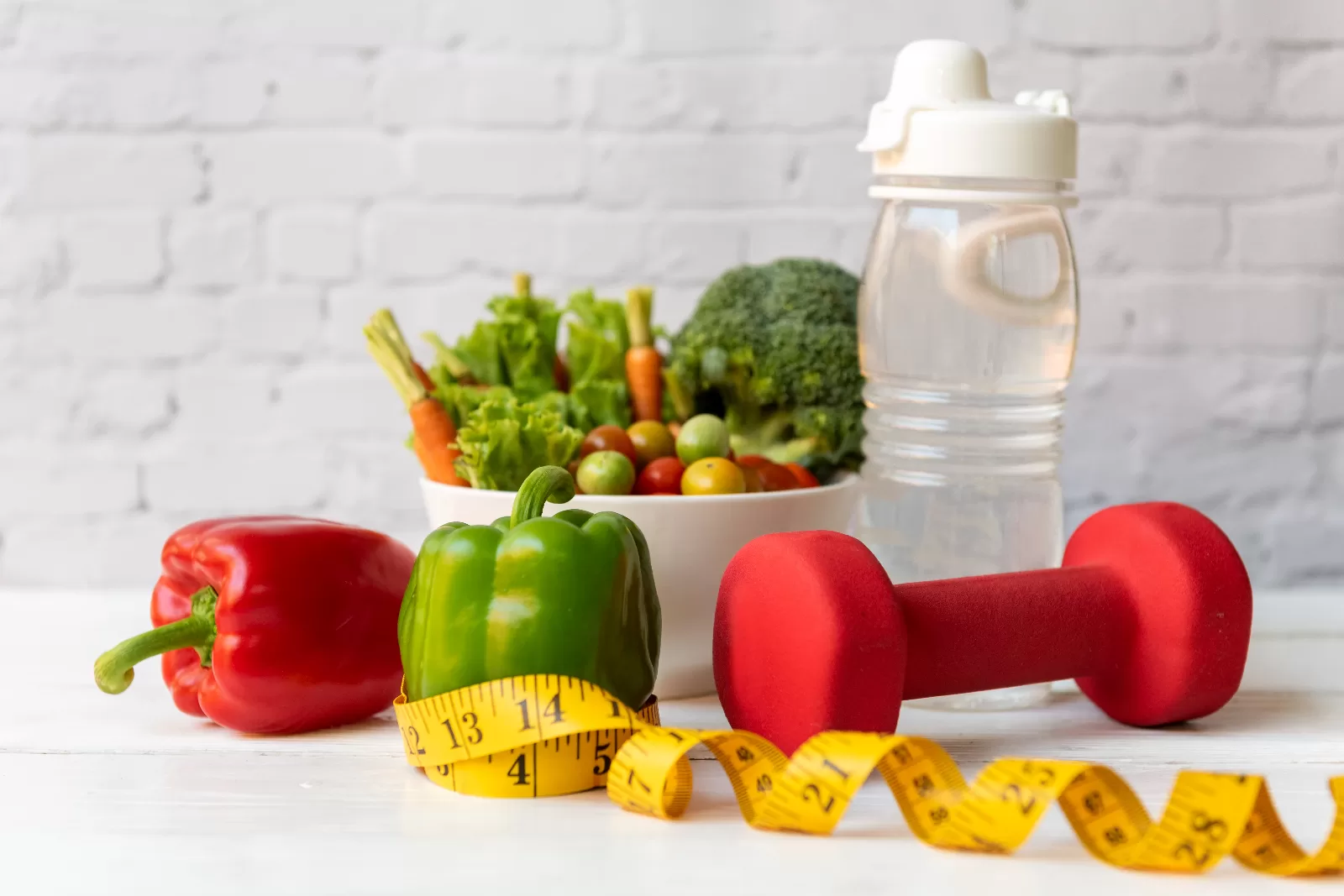
Polycystic Ovary Syndrome (PCOS) is a common hormonal disorder causing irregular ovulation, but it does not mean you cannot conceive naturally. Through targeted lifestyle changes, an Indian low-GI diet, proper stress management, and medical guidance, most women with PCOS successfully achieve healthy pregnancies.
- PCOS affects ovulation frequency, but it is manageable and not a permanent barrier to pregnancy.
- Addressing insulin resistance through a low-GI Indian diet and strength training is the critical first step.
- Medical treatments like ovulation-induction medications (Letrozole) and insulin sensitizers yield high success rates.
- Tracking ovulation using cervical mucus, follicular scans, and BBT provides accurate fertility insights.
Understanding PCOS and How It Impacts Fertility in Indian Women
Polycystic Ovary Syndrome (PCOS) is one of the most prevalent hormonal disorders among women of reproductive age in India, affecting an estimated 1 in 5 urban women. Despite its high prevalence, PCOS continues to generate significant fear, particularly when couples decide to plan a family. The critical truth every woman must understand is that a PCOS diagnosis is not a guarantee of infertility. While it introduces specific metabolic and hormonal challenges, the vast majority of women with PCOS can and do conceive with appropriate lifestyle adjustments and structured medical support.
At its core, PCOS disrupts normal ovarian function. In a regular menstrual cycle, your ovaries nurture several fluid-filled sacs called follicles, one of which fully matures and releases an egg—a process known as ovulation. In a woman with PCOS, an excess of male hormones (androgens) and high circulating levels of insulin cause follicle development to stall. Instead of maturing, multiple small, undeveloped follicles remain in the ovaries, often creating a 'string of pearls' appearance on an ultrasound scan. Because ovulation becomes irregular or absent (anovulation), predicting fertile days becomes challenging, leading to delays in natural conception.
The Role of Anovulation and Irregular Cycles
When ovulation does not occur predictably, your body does not produce the progesterone needed to regulate your menstrual cycle. Consequently, periods may become delayed by several weeks or months, light, or unpredictably heavy. In many Indian households, open discussions around period irregularity are delayed until marriage, leaving young women unaware of their condition until they struggle to conceive. Recognizing the signs early and focusing on restoring regular ovulatory cycles gives you the strongest advantage.
The Hidden Link: Insulin Resistance and Your Diet
To address PCOS effectively, one must look beyond the reproductive organs and examine metabolic health. Up to 70% of women diagnosed with PCOS experience insulin resistance, a condition where the body's cells do not respond efficiently to insulin. To keep blood sugar levels stable, the pancreas produces increasingly high amounts of insulin.
High circulating insulin acts directly on the ovaries, prompting them to produce elevated levels of testosterone. This hormonal cascade stops egg maturation in its tracks and promotes abdominal weight gain, further aggravating insulin resistance in a biological feedback loop.
Rethinking the Standard Indian Kitchen
Traditional Indian meals are deeply nourishing, but modern urban diets have shifted heavily toward refined carbohydrates. White polished rice, maida (refined flour), deep-fried snacks, and sugar-laden sweets create rapid blood glucose spikes that worsen insulin resistance. Managing PCOS does not require giving up home-cooked Indian meals; it requires smart, nutrient-dense adjustments that keep blood sugar stable and support egg quality.
- Switch to Complex Whole Grains: Replace refined white rice and white flour with regional millets like jowar, bajra, ragi, foxtail millet, or unpolished red rice. These slow-release carbohydrates prevent sharp insulin spikes.
- Prioritize Protein with Every Meal: Protein slows down glucose absorption and promotes satiety. Incorporate paneer, chana, rajma, sprouted pulses, eggs, fish, and lean chicken into your daily menu.
- Focus on High-Fiber Vegetables: Fill half your plate with non-starchy vegetables such as bhindi (okra), karela (bitter gourd), spinach, French beans, and bottle gourd. Fiber helps process excess estrogen and lowers overall inflammation.
- Incorporate Traditional Desi Superfoods: Soaking fenugreek (methi) seeds in water overnight and consuming them on an empty stomach helps improve insulin sensitivity. Unsweetened spearmint tea taken daily can help lower free testosterone levels naturally.
Medical Interventions: From Lifestyle Support to Assisted Reproduction
When dietary shifts and physical activity are not enough to restore predictable ovulation, modern reproductive medicine offers reliable, non-invasive therapies. You do not always need complex procedures to fall pregnant; many women conceive using basic first-line medical guidance.
First-Line Medical Treatments
Gynecologists and fertility specialists in India usually start with minimal medical interventions designed to jumpstart your natural cycle:
- Ovulation Induction Medications: Prescription oral medications like Letrozole or Clomiphene Citrate stimulate the ovaries to produce and release a mature egg. These medications are taken over a few days early in your cycle under ultrasound monitoring.
- Insulin-Sensitizing Drugs: Metformin, traditionally used for diabetes, is frequently prescribed for PCOS to help your body process insulin efficiently. Lowering insulin levels often lowers androgen levels, helping restore spontaneous ovulation.
- Myo-Inositol and D-Chiro-Inositol: These over-the-counter daily supplements improve egg quality, restore menstrual regularity, and balance insulin without significant side effects.
When to Consider Advanced Treatments (IUI and IVF)
If oral medications do not result in pregnancy after multiple monitored cycles, your specialist may suggest Intrauterine Insemination (IUI) or In Vitro Fertilization (IVF). In IUI, purified sperm is introduced directly into the uterus during ovulation. If egg quality or fallopian tube blockage is a factor, IVF offers high success rates. Women with PCOS typically have an abundant egg reserve, making them very strong candidates for successful IVF outcomes.
Tracking Ovulation with Irregular Cycles
One of the primary challenges when trying to conceive with PCOS is determining when you are ovulating. Standard smartphone period tracking apps use a static 28-day formula that often fails for women with unpredictable cycles. Relying on biological signals gives you far greater accuracy.
Effective Ovulation Tracking Strategies
- Cervical Mucus Observation: Near ovulation, rising estrogen causes cervical mucus to become clear, slippery, and stretchy, resembling raw egg whites. This signifies your most fertile window.
- Follicular Ultrasound Scans: Visiting a nearby diagnostic center for follicular monitoring tracks egg development in real-time. A radiologist measures the growing follicle to pinpoint the exact time of egg release.
- Basal Body Temperature (BBT): Taking your temperature first thing every morning before getting out of bed helps confirm ovulation. Progesterone released after ovulation causes a slight, permanent temperature rise until your period arrives.
- Ovulation Predictor Kits (OPKs): OPK strips detect the Luteinizing Hormone (LH) surge that triggers egg release. Because some women with PCOS have elevated baseline LH levels, false positives can occur; combine OPK tests with cervical mucus tracking for better clarity.
Navigating Societal Stress and Mental Wellbeing
In Indian culture, family expectations around starting a family can create intense pressure on young couples. Constant inquiries from extended family and social circles drive up cortisol, a primary stress hormone that further impairs reproductive function and disrupts delicate hormonal signals.
Protecting Your Mental Health
Caring for your emotional health is just as critical as managing your physical symptoms. Establish clear, polite boundaries regarding family discussions about pregnancy. Involve your spouse actively in lifestyle changes, diagnostic appointments, and emotional management. Incorporating regular yoga practices like Baddha Konasana (Bound Angle Pose) and Paschimottanasana, alongside daily pranayama (deep breathing), lowers cortisol levels and fosters a healthy physiological environment for conception.
PCOS is a manageable metabolic condition, not a personal fault or a barrier you cannot overcome. With accurate medical support, balanced traditional nutrition, consistent physical activity, and patience, your path to a healthy pregnancy is well within reach.
Frequently asked questions
Can I get pregnant naturally if I have PCOS?
Yes, many women with PCOS conceive naturally. The primary challenge is irregular ovulation. By regulating blood sugar through a low-GI diet, regular exercise, and stress reduction, you can restore predictable ovulation and conceive naturally.
How long should I try naturally before seeing a fertility specialist in India?
If you are under 35 and have irregular cycles due to PCOS, it is best to consult a gynecologist or fertility specialist after 6 months of active trying. If you are over 35, seek medical guidance after 3 to 6 months.
Does Metformin help with PCOS and fertility?
Yes. Metformin improves insulin sensitivity, which reduces testosterone levels in the body. This reduction often helps restore regular menstrual cycles and spontaneous ovulation in women with insulin-resistant PCOS.
Which Indian foods should I limit when trying to conceive with PCOS?
It is best to limit highly refined carbohydrates like maida, white rice, fried snacks (samosas, pakoras), sweetmeats (mithai), and sugary beverages. Focus instead on complex grains like millets, high-protein pulses, and fresh green vegetables.
Sources
- PCOS and fertility — ACOG