

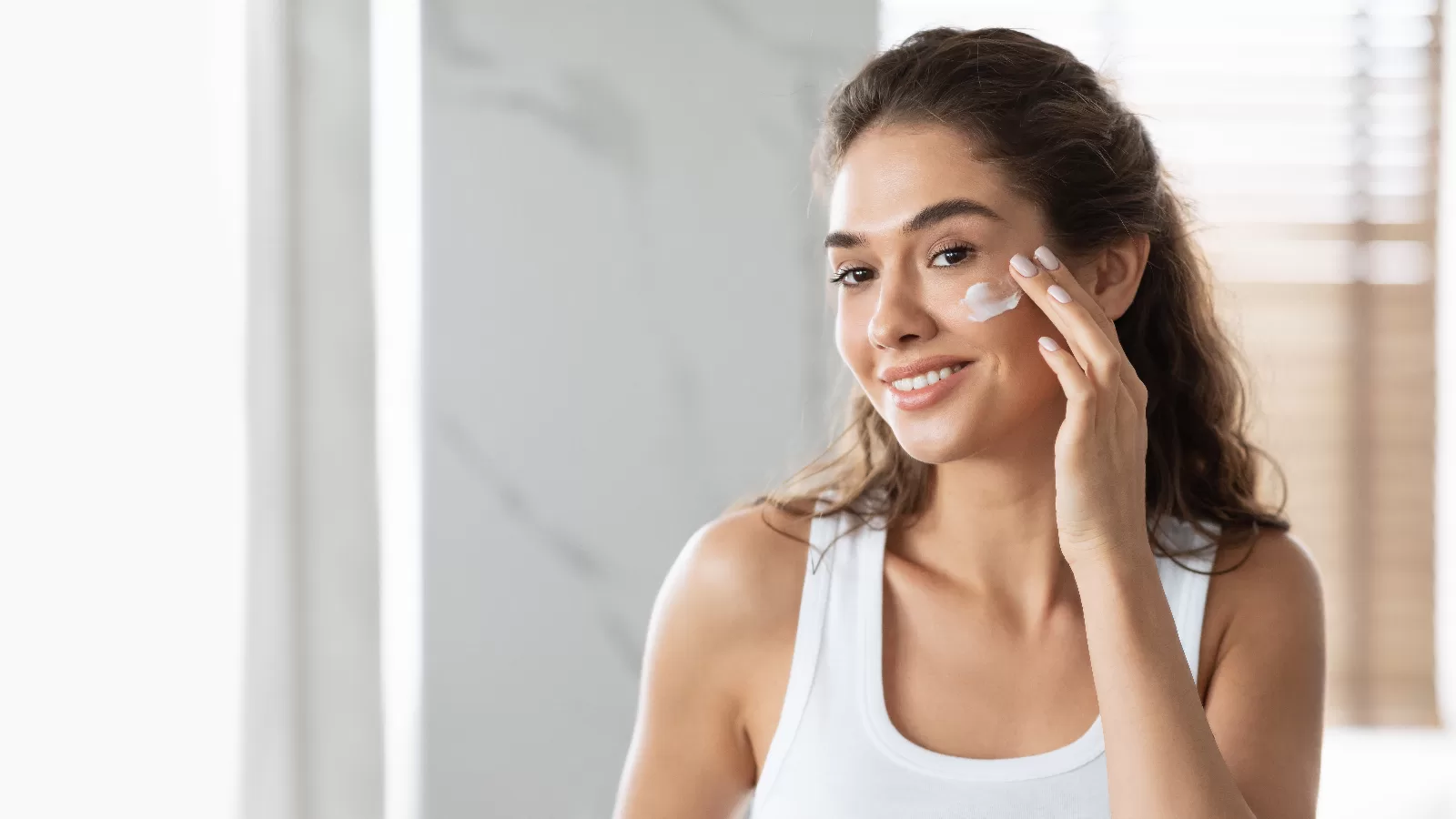
Effective lip care in India requires shielding delicate skin from UV rays, harsh weather, and dry indoor AC air. Use an SPF 15+ lip balm daily, hydrate well, exfoliate gently with natural ingredients like sugar and honey once a week, and avoid licking your lips to prevent hyperpigmentation and severe chapping.
- SPF is non-negotiable: Indian sun exposure accelerates lip pigmentation and dryness, making an SPF-infused lip balm essential.
- Hydrate from within and without: Drink enough water and lock in moisture using traditional staples like pure ghee or ceramide-rich lip balms.
- Stop lip-licking: Saliva contains enzymes that strip natural oils, worsening chapping and darkness over time.
- Exfoliate wisely: Limit scrubbing to once a week with mild natural mixtures to avoid micro-tears on sensitive lip tissue.
Understanding the Unique Anatomy of Indian Lips
Unlike the skin on your cheeks or forehead, the skin on your lips is exceptionally thin and delicate. It lacks oil glands, sweat glands, and hair follicles, which means it cannot produce its own natural moisture barrier. In the Indian subcontinent, where weather conditions swing drastically between scorched summers, heavy monsoons, and crisp winters, our lips bear the brunt of environmental stress.
Why Lips Dry Out Faster Than the Rest of Your Skin
Because there are no sebaceous glands to secrete natural oils, your lips rely entirely on external hydration and internal water levels. When exposed to dry indoor air conditioning in office spaces, dusty outdoor pollution during daily commutes, or blistering sun rays, moisture evaporates rapidly. This leads to dry patches, peeling skin, fine lines, and painful cracking if left unmanaged.
The Darkening Dilemma: Sun and Hyperpigmentation
Indian skin tones contain higher levels of melanin, making us more susceptible to hyperpigmentation. Exposure to ultraviolet radiation without adequate protection triggers excessive melanin production in the lips. Over time, this results in two-toned lips, dark borders, or persistent discoloration. Factors like frequent hot tea or coffee intake, smoking, and cheap matte liquid lipsticks further aggravate lip darkening.
Building a Daily Indian Lip Care Routine
Maintaining soft, rosy, and healthy lips does not require expensive multi-step kits. A structured, simple routine tailored to Indian daily life can transform your lips within two weeks.
Morning Routine: Hydration and Sun Protection
Start your morning by gently wiping your lips with a soft, damp cotton cloth during your morning wash to remove overnight buildup. Before stepping out into the sun or sitting in an air-conditioned office, apply a generous layer of an SPF-infused lip balm. Look for balms offering SPF 15 to SPF 30 with broad-spectrum protection against UVA and UVB rays.
If you wear lipstick daily, choose hydrating formulas or apply a thin layer of SPF lip balm five minutes before applying your matte lipstick. This acts as a barrier, preventing pigment from settling into fine lines and drying out the skin tissue.
Nighttime Care: Deep Nourishment and Repair
Your body repairs itself overnight, making your bedtime routine crucial for lip recovery. Always remove matte lipsticks or lip tints completely before sleeping using a gentle micellar water or coconut oil on a cotton pad.
Follow up with an occlusive ointment or rich lip sleeping mask. Formulations containing ceramides, shea butter, hyaluronic acid, or squalane work exceptionally well to seal in water and heal micro-fissures created during the day.
Kitchen Staples for Soft, Supple Lips
Indian households are packed with time-tested remedies that offer genuine skincare benefits without chemical additives. When used correctly, these kitchen ingredients provide superior nourishment.
Desi Ghee and Malai for Intense Moisture
Pure cow ghee (clarified butter) and fresh malai (milk cream) are rich in essential fatty acids and vitamins A and E. Applying a drop of warm desi ghee to your navel and directly on your lips before sleeping is an age-old Indian practice. It deeply nourishes cracked lips and rebuilds damaged lipid barriers without clogging surrounding facial pores.
Natural DIY Sugar Scrubs
Exfoliating removes dead skin cells, allowing hydrating ingredients to penetrate deeper. Create a gentle weekly scrub using simple home ingredients:
- Granulated sugar: Acts as a natural physical exfoliant. Use fine sugar to avoid harsh micro-tears.
- Raw honey: A natural humectant that draws moisture into the skin while providing antibacterial benefits.
- Cold-pressed coconut oil: Supplies rich lauric acid to soothe inflammation and soften rough skin.
Mix half a teaspoon of fine sugar with equal parts honey and coconut oil. Gently massage over damp lips in circular motions for 30 seconds, then rinse with warm water. Limit exfoliation to once a week to avoid breaking the delicate surface layer.
Bad Habits That Are Ruining Your Lip Health
Even the most expensive lip balms will fail if daily habits continuously damage your lip surface. Identifying and eliminating these common triggers is essential for long-term lip health.
The Licking and Biting Trap
When lips feel dry, the instinctual reaction is to lick them. However, saliva contains digestive enzymes such as amylase and lipase designed to break down food. When applied to delicate lip skin, these enzymes erode the protective outer barrier. Furthermore, as saliva evaporates, it strips away the lip's remaining natural moisture, leaving them drier than before. Lip picking or biting tears live tissue, causing bleeding and permanent scarring.
Using Expiry-Passed Lipsticks and Matte Formulations
Using old cosmetics past their expiry date introduces harmful bacteria, leading to cheilitis (lip inflammation) and pigmentation. Liquid matte lipsticks, while long-wearing, rely on heavy drying agents and alcohol that strip moisture. If you love matte shades, prep thoroughly with a balm, and avoid wearing ultra-matte formulas for more than six hours continuously.
Seasonal Adapts: Surviving Indian Climate Extremes
India's varied weather demands adjustments to your lip care routine throughout the year.
Surviving Hot Summers, Humidity, and Indoor AC
During hot months, high humidity makes heavy waxes feel greasy, while constant air-conditioning dries out your skin from the inside. Switch to lightweight gel-based or hyaluronic acid lip treatments during the day, accompanied by rigorous fluid intake. Hydrate with fresh tender coconut water, nimbu pani, and plenty of filtered water to combat climate-induced dehydration.
Tackling Harsh Winter Winds
North Indian winters bring cold dry winds that cause painful lip cracking and bleeding. Upgrade your night routine to thick petroleum jelly, lanolin, or rich shea butter masks. Apply balm immediately after showering while your lips are still slightly damp to lock in maximum hydration.
How to Treat Darkened or Pigmented Lips
Restoring natural lip color requires consistency and targeted ingredients that reverse sun damage and oxidative stress.
Key Ingredients for Lightening Dark Lips
Look for dermatologically approved lip treatments containing these active ingredients:
- Kojic Acid and Alpha Arbutin: Safely inhibit excess melanin production to lighten dark spots.
- Vitamin C: A potent antioxidant that fights free radical damage from pollution and brightens uneven tones.
- Niacinamide: Helps repair the skin barrier while fading post-inflammatory hyperpigmentation.
Apply these targeted serums or balms daily under sunscreen. Avoid harsh chemical peels or home remedies like raw lemon juice, as acidic citrus strips the skin barrier and worsens hyperpigmentation upon sun exposure.
Frequently asked questions
Why do my lips turn dark even if I do not smoke?
Lip pigmentation in non-smokers is usually caused by unprotected sun exposure, hyperpigmentation inherent to Indian skin tones, frequent consumption of hot tea or coffee, licking lips, or using expired matte lipsticks.
Can I apply raw lemon juice to lighten dark lips?
No, raw lemon juice is highly acidic and can cause chemical micro-burns, irritation, and severe contact dermatitis, which actually worsens hyperpigmentation when exposed to sunlight.
Is pure Ghee better than store-bought lip balms?
Pure desi ghee is an excellent natural emollient for overnight deep repair. However, because it lacks UV filters, an SPF-infused lip balm is far superior for daytime outdoor protection.
How often should I exfoliate my lips?
Exfoliate your lips maximum once a week using a mild sugar scrub. Over-exfoliating breaks the delicate surface layer, leading to increased sensitivity, peeling, and dryness.
Sources
- American Academy of Dermatology — reference — American Academy of Dermatology